Author: Susan Happersett
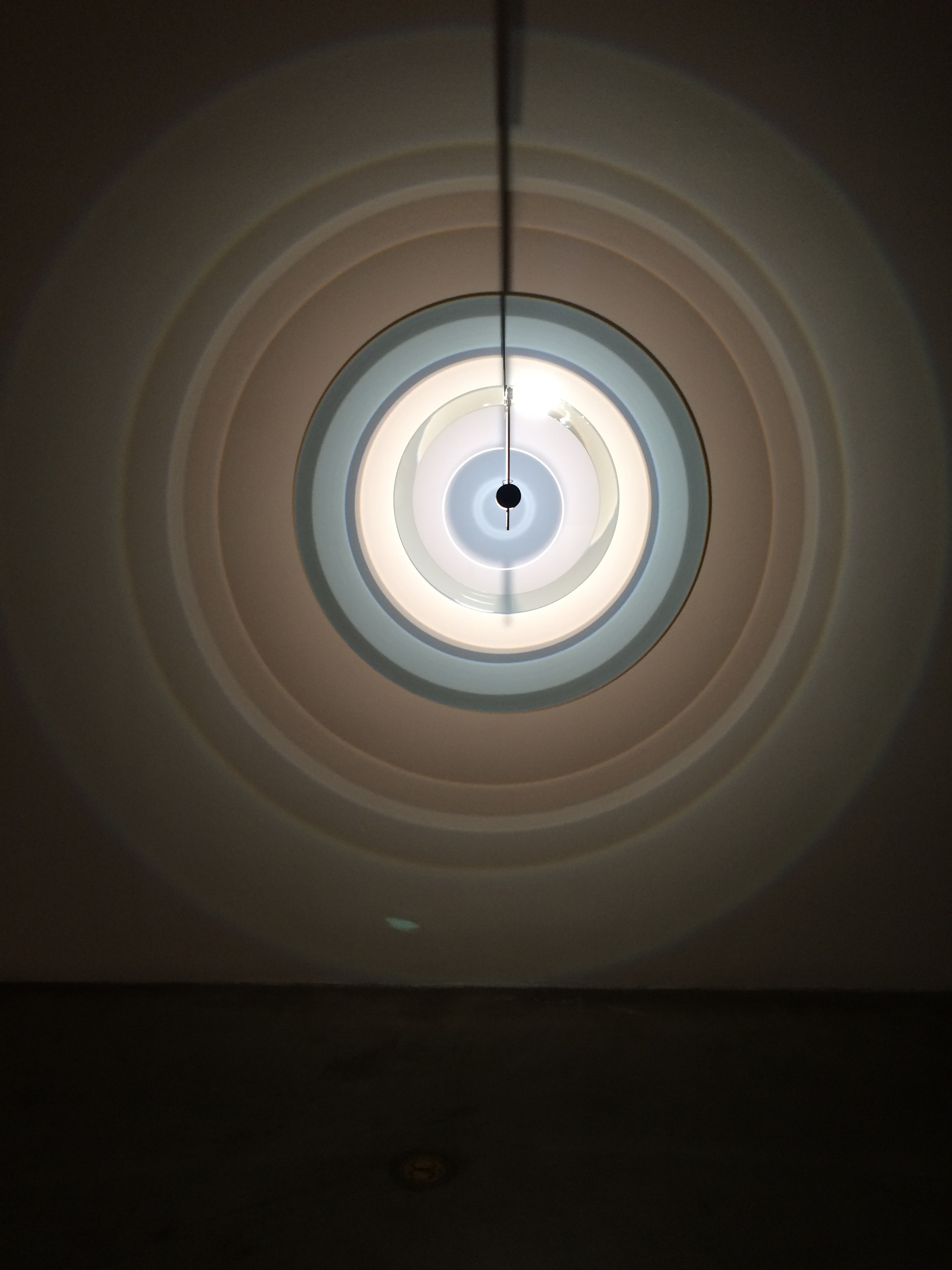
Olafur Eliasson at Tanya Bonakdar Gallery
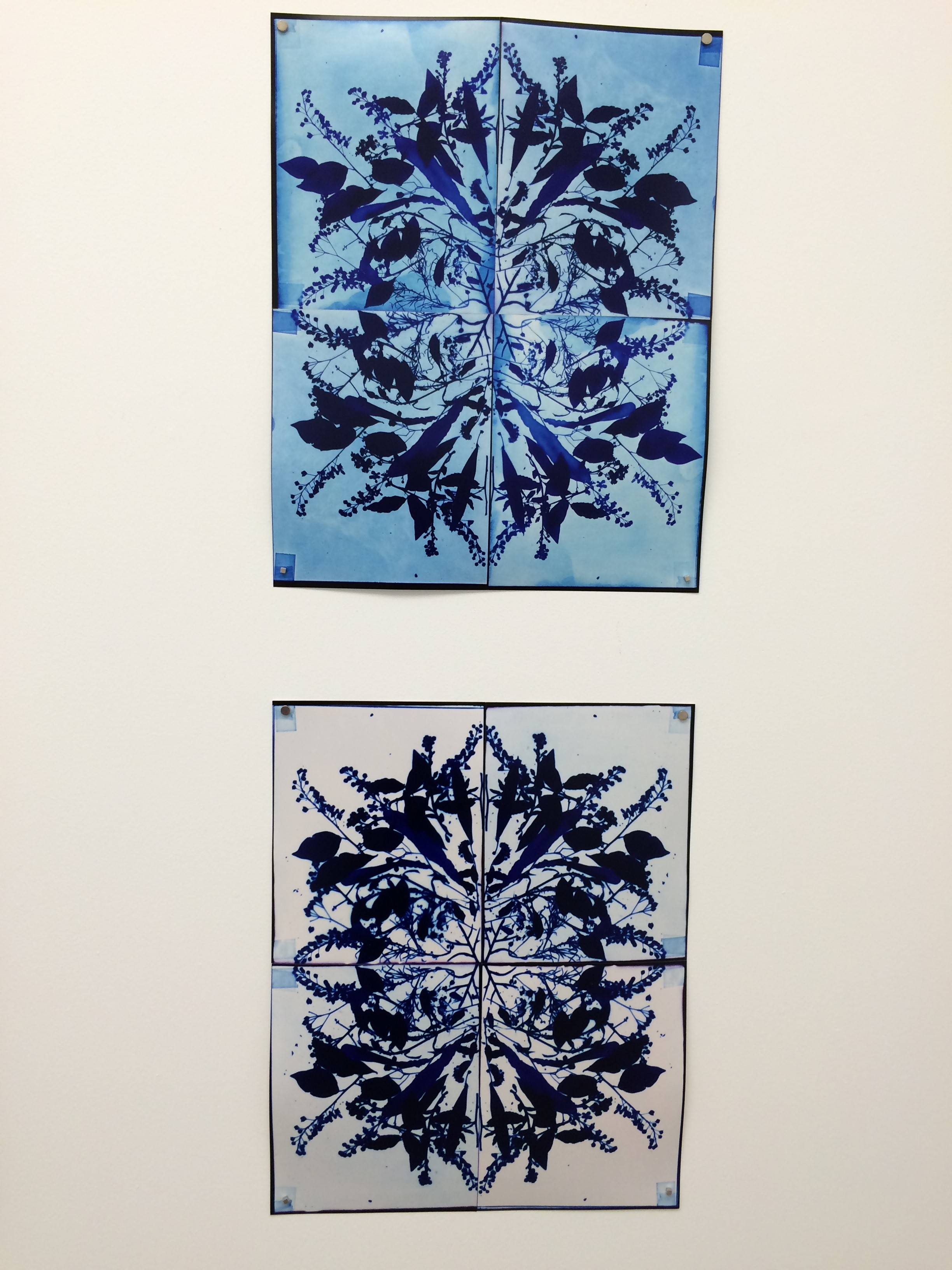
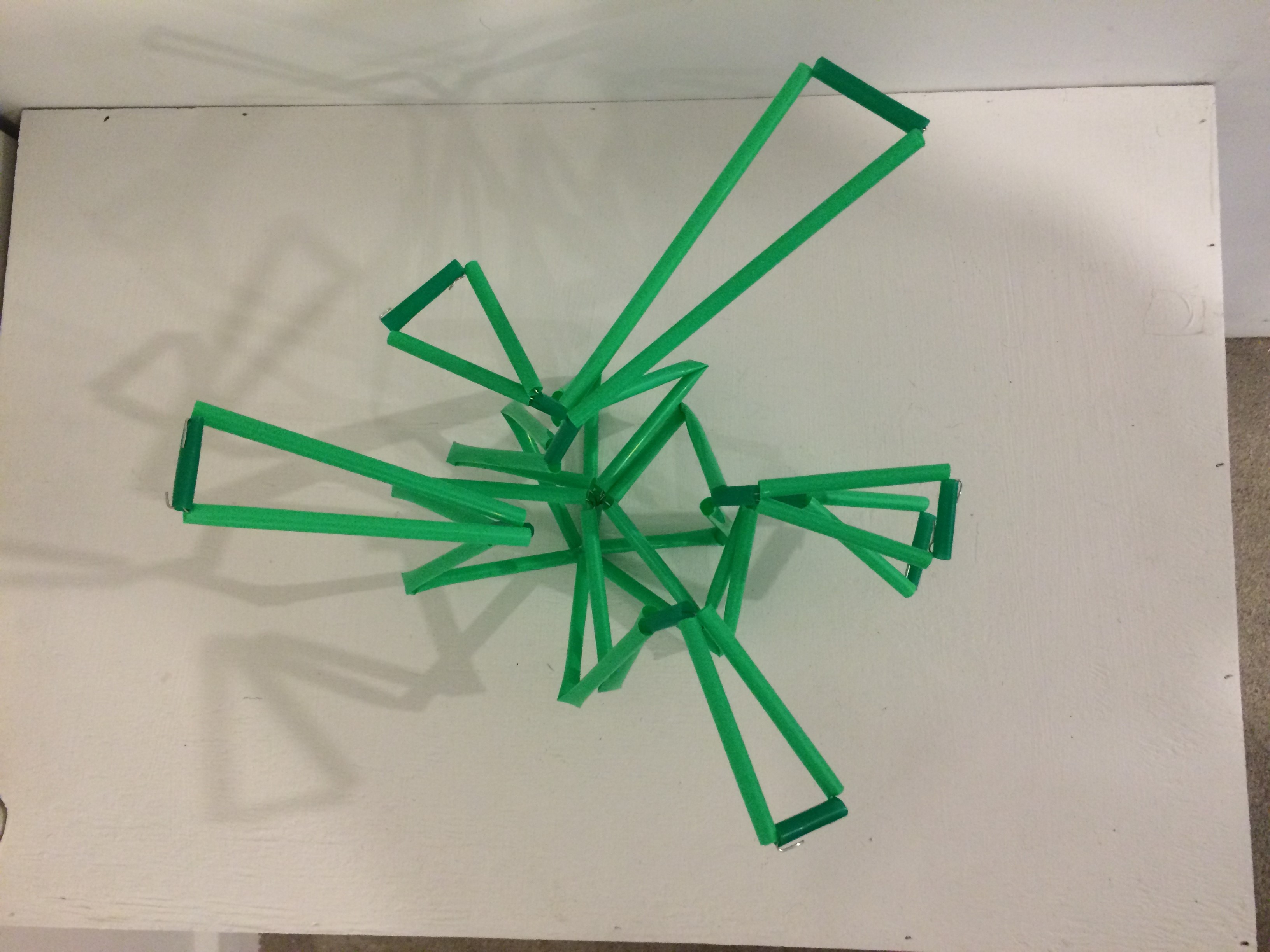
Natura Mathematica at Central Booking Gallery
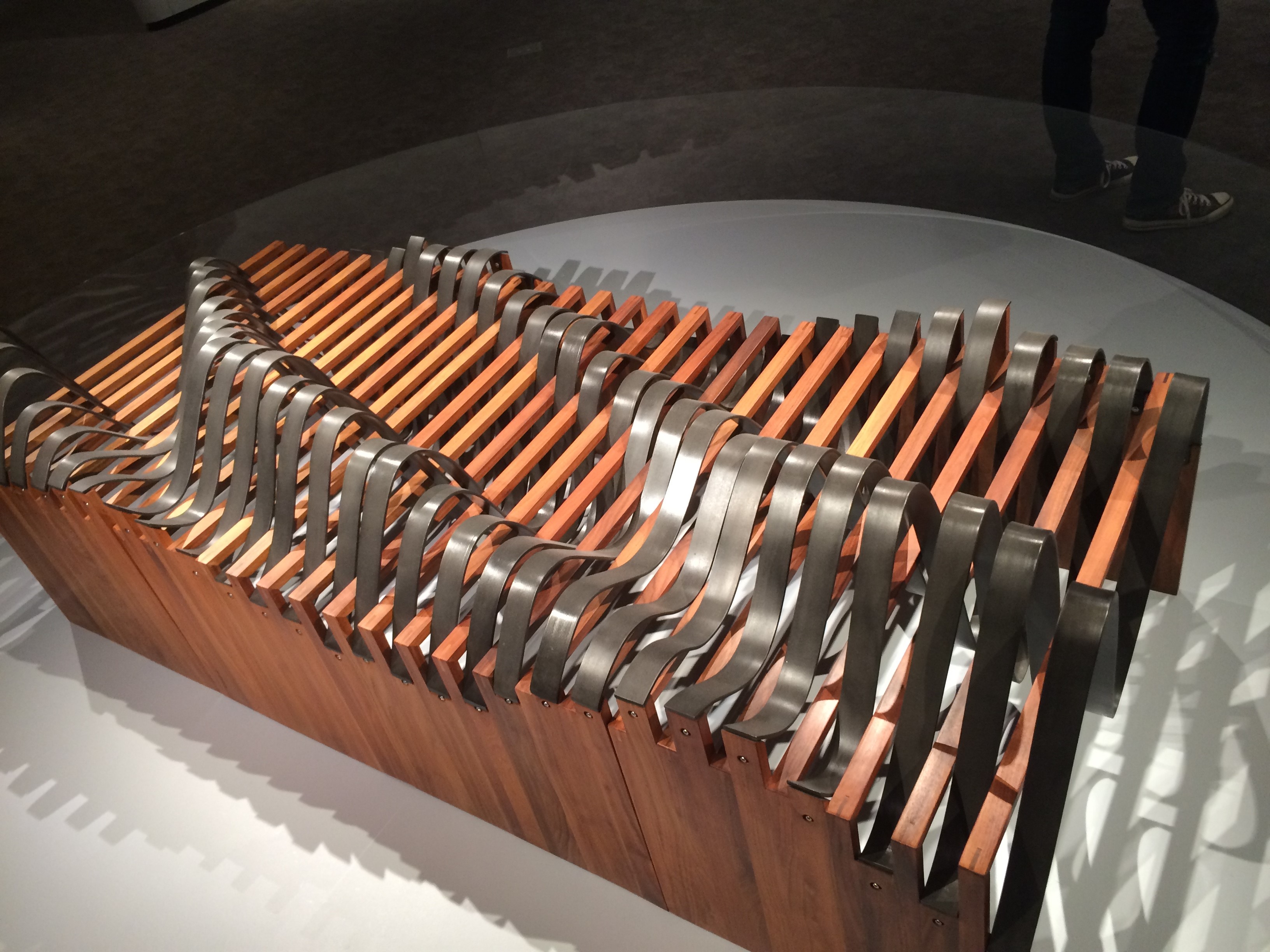
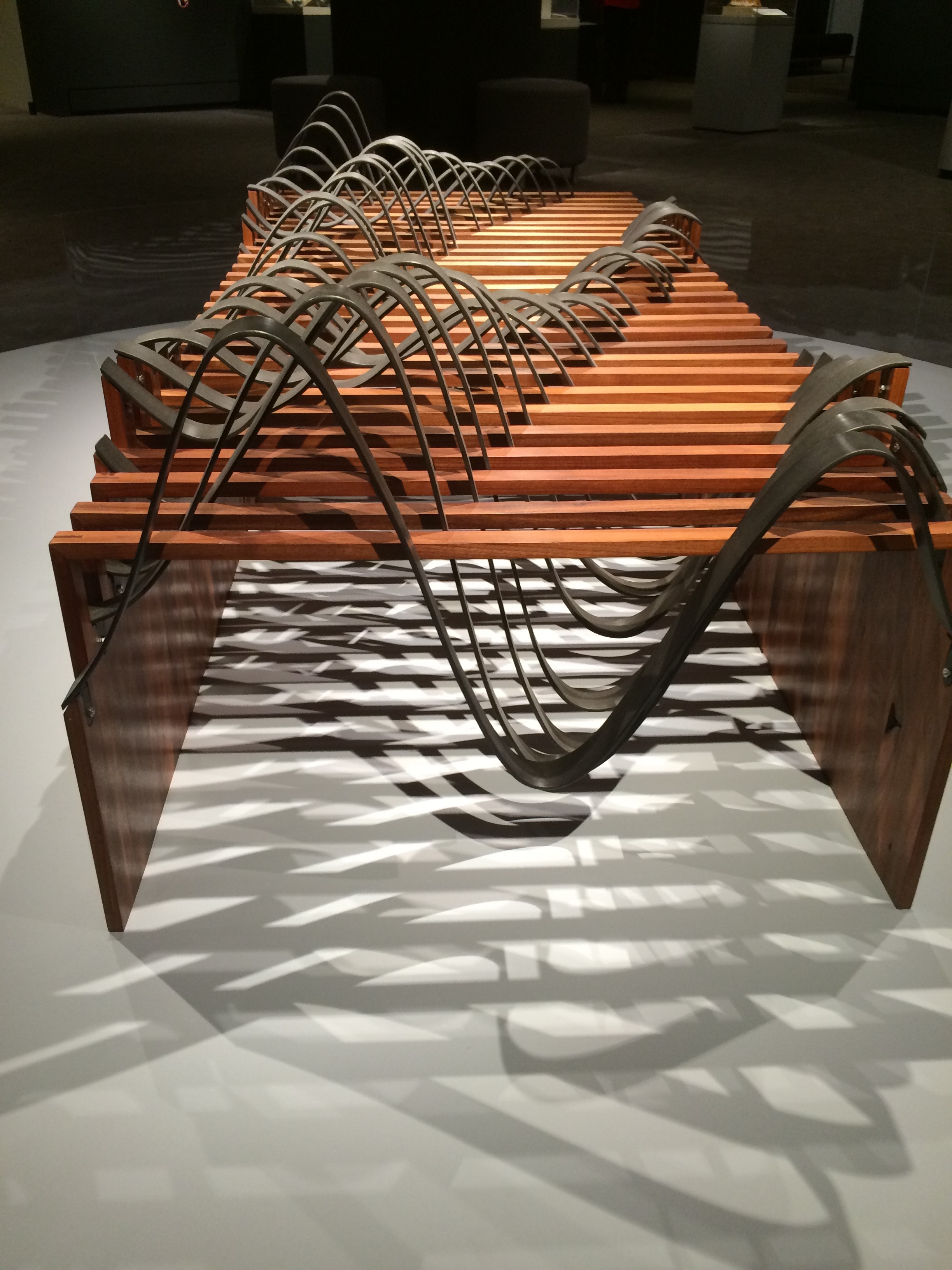
“Lunar Attraction” at the Peabody Essex Museum
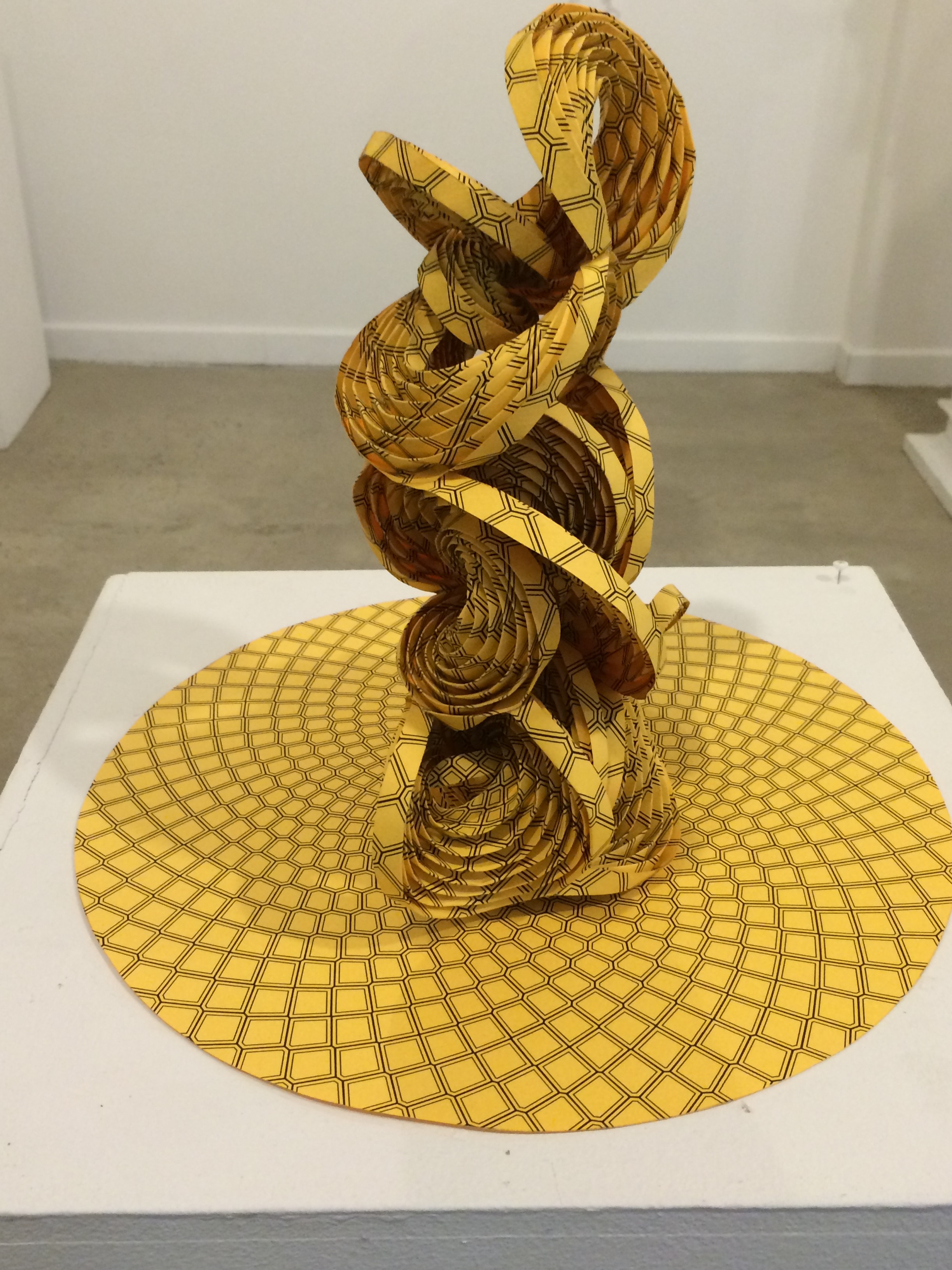
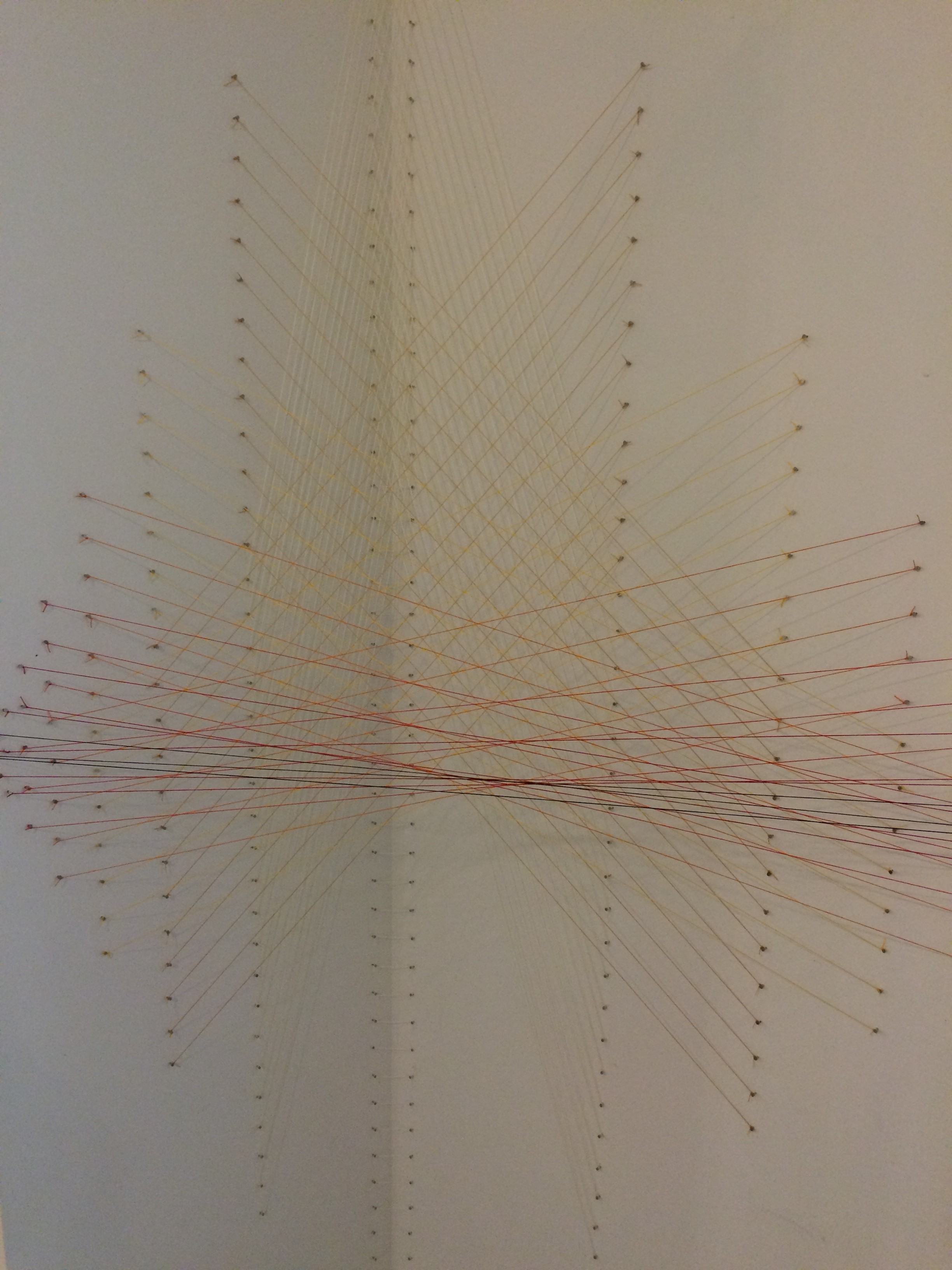
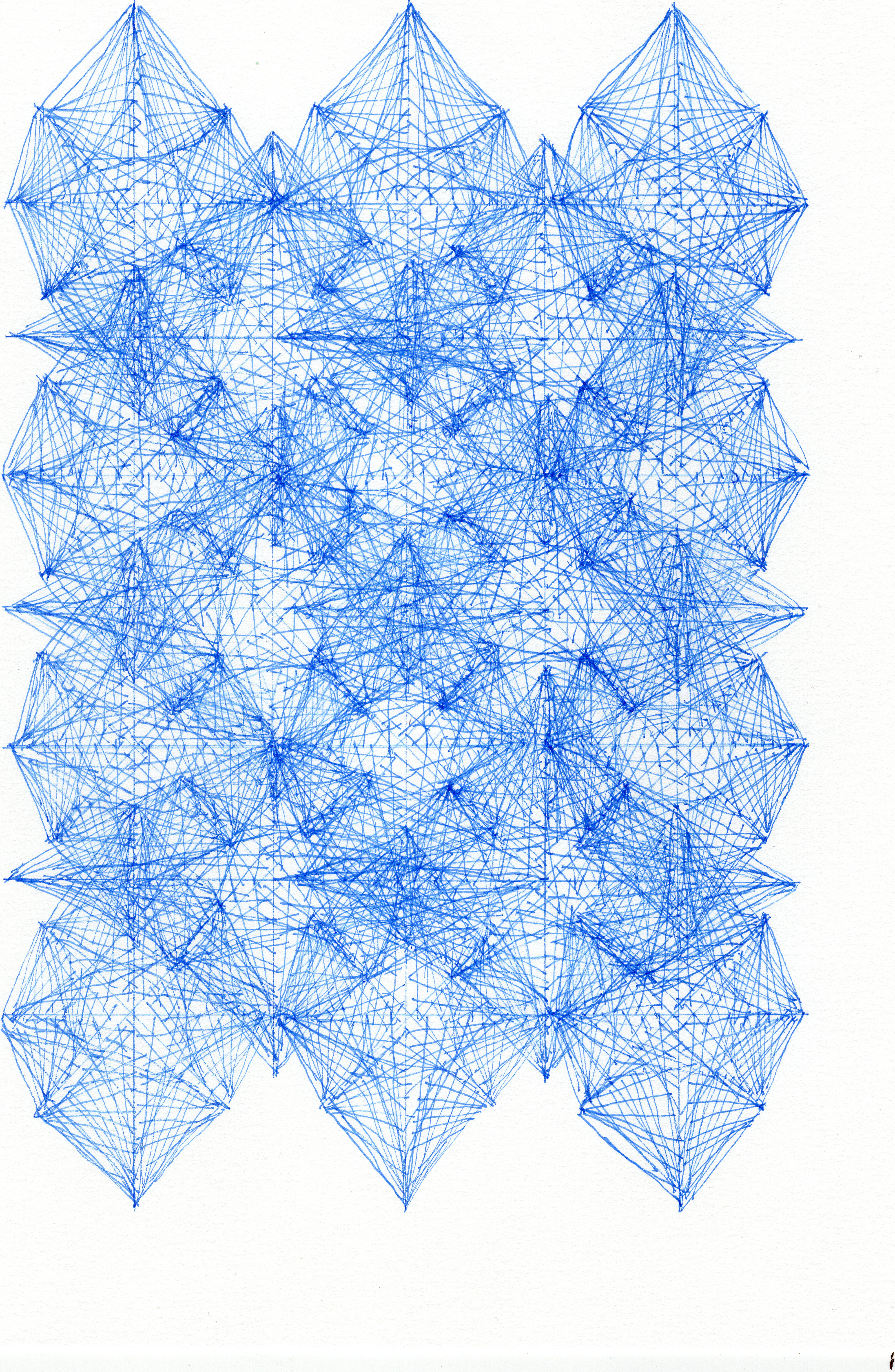
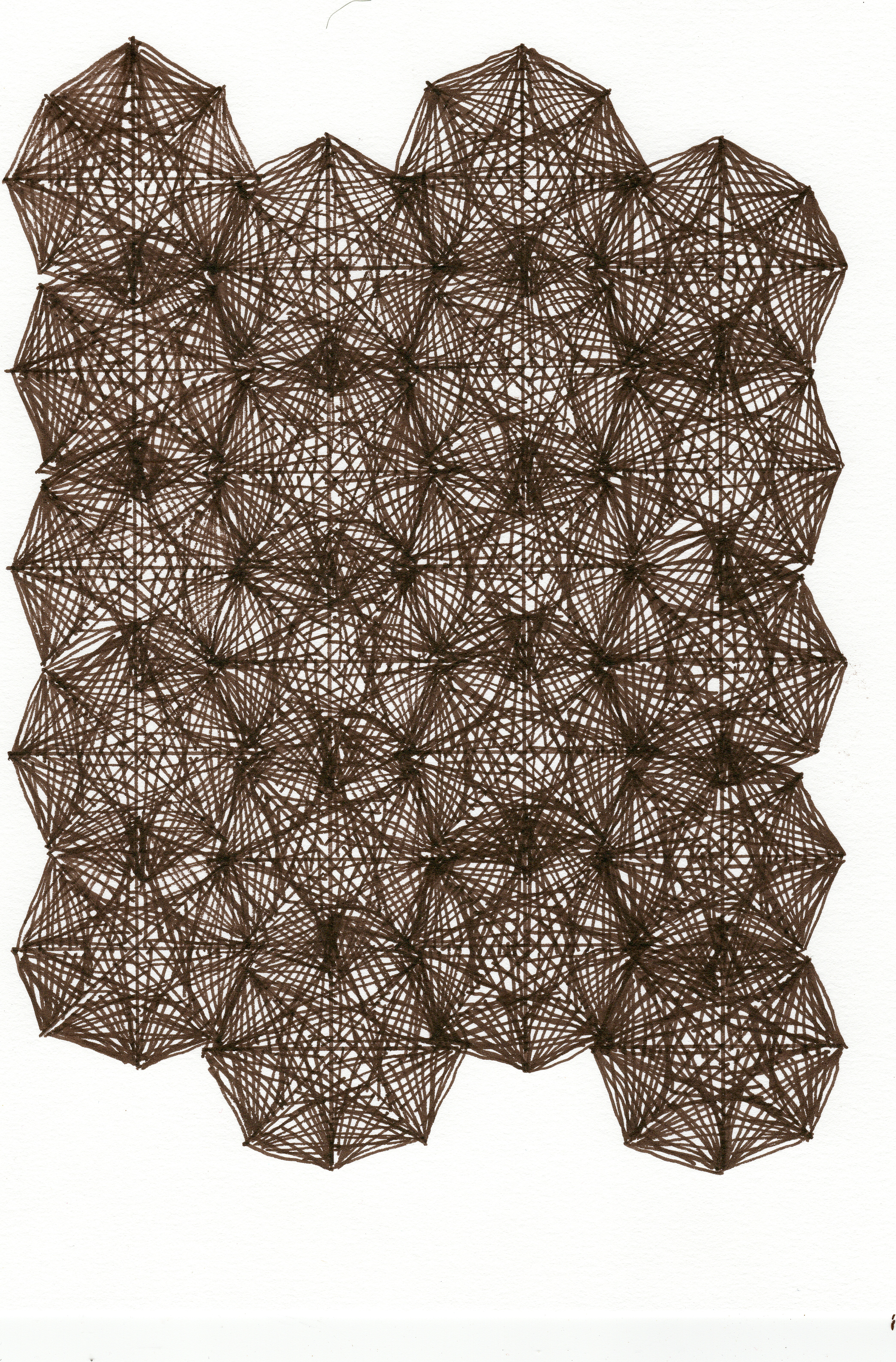
Cartesian Lace Drawings
The Armory Show
The largest of all of the Art Fairs in New York City last week was the Armory Show that was on two huge piers (92 and 94) on the Hudson river. A wide range of work was exhibited, I have just chosen a sampling of more recent work with Mathematical themes.

Bernar Venet, “11 Acute Unequal Angles”, 2015
Courtesy of Paul Kasmin Gallery
I was still in line to check my coat when I spotted Bernar Venet’s steel sculptures across the aisle. The title of the work above, “11 Acute Unequal Angles”, is a perfect description of the geometric theme of the work. It is always exciting to see work that so directly embraces the mathematics.

Shannon Bool, “Untitled”, 2017
Courtesy of Daniel Faria Gallery
This next work, by Shannon Bool, is a large- scale oil and batik on silk. The fabric is slightly transparent and backed with a mirror which creates an interesting repetition of the design, as well as a slight ghost of the reflection of the viewer. Through the use of grids and diagonals, there is a reference to the geometry of architecture.

Brandon Lattu, “Columns, White, Natural Progression”, 2016
Courtesy of Koenig & Clinton Gallery
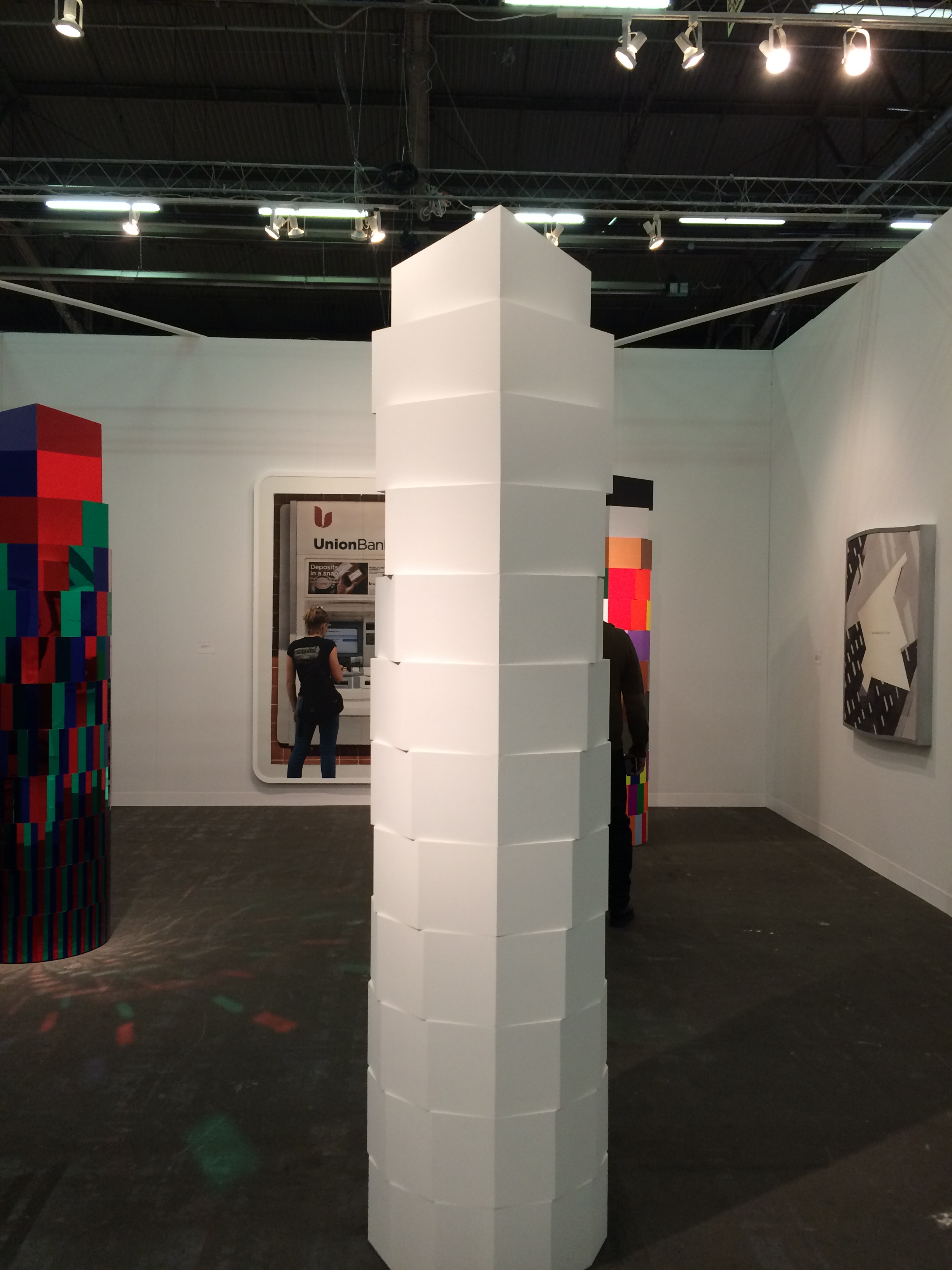
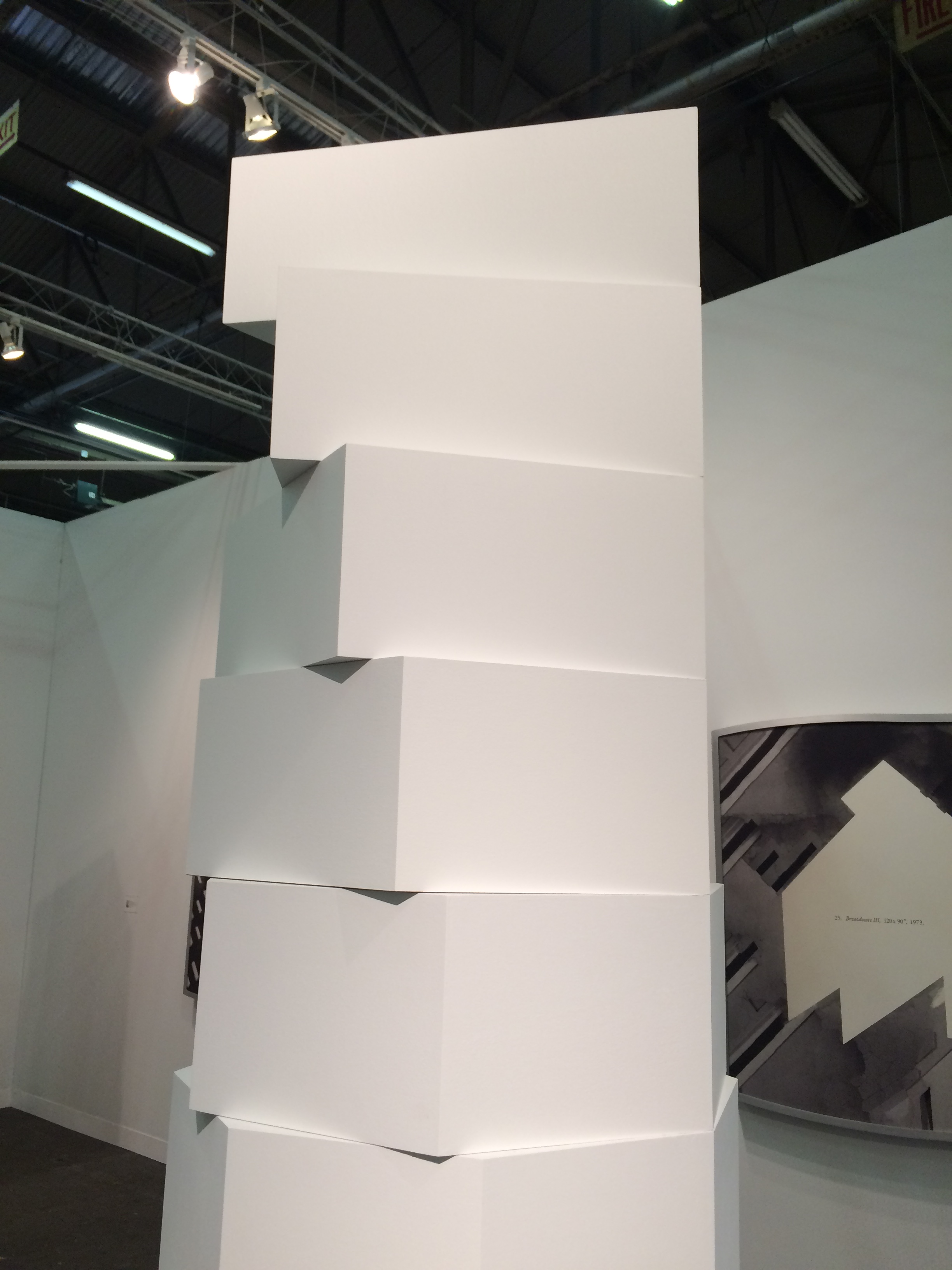
This eight foot tall painted plywood column by Brandon Lattu consists of 12 stacked prisms. Each prism has a regular polygon as its base. The top form has is triangular, the second is square. The third one has a pentagonal base, and so on. Each subsequent prism has bases with one extra side. The prisms are stacked in such a way that a vertex from each prism lines up to create a vertical line.

Brandon Lattu, “Columns, White, Natural Progression”, 2016 (detail)
Courtesy of Koenig & Clinton Gallery
When you walk around the structure you can see the different angles. This work is a great visual example of a numeric progression in terms of the number of sides in each section. It also compares the different angles found in regular polygons.

Jim Iserman, “Untitled” , 2013-2014
Courtesy of The Breeder Gallery
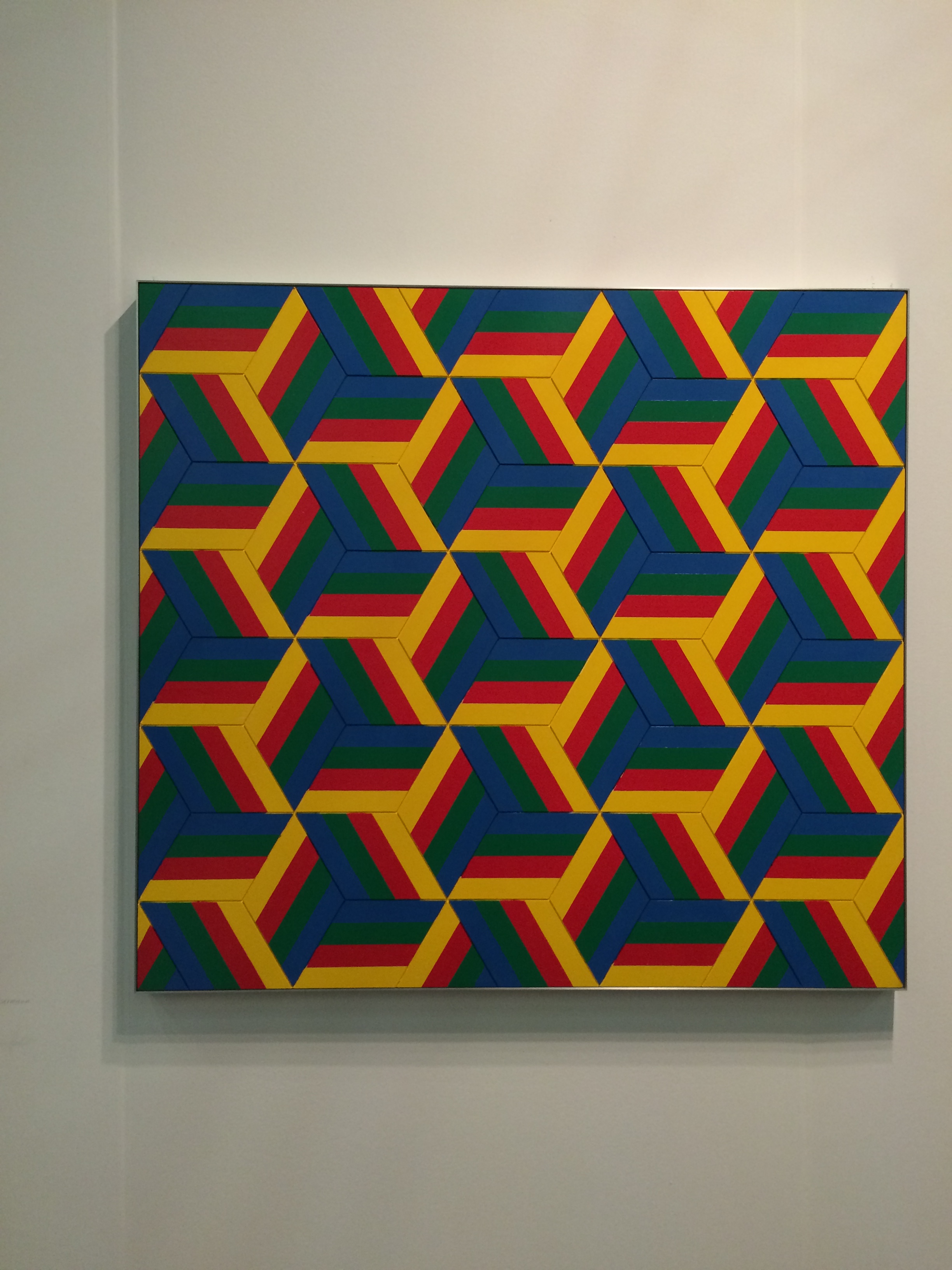
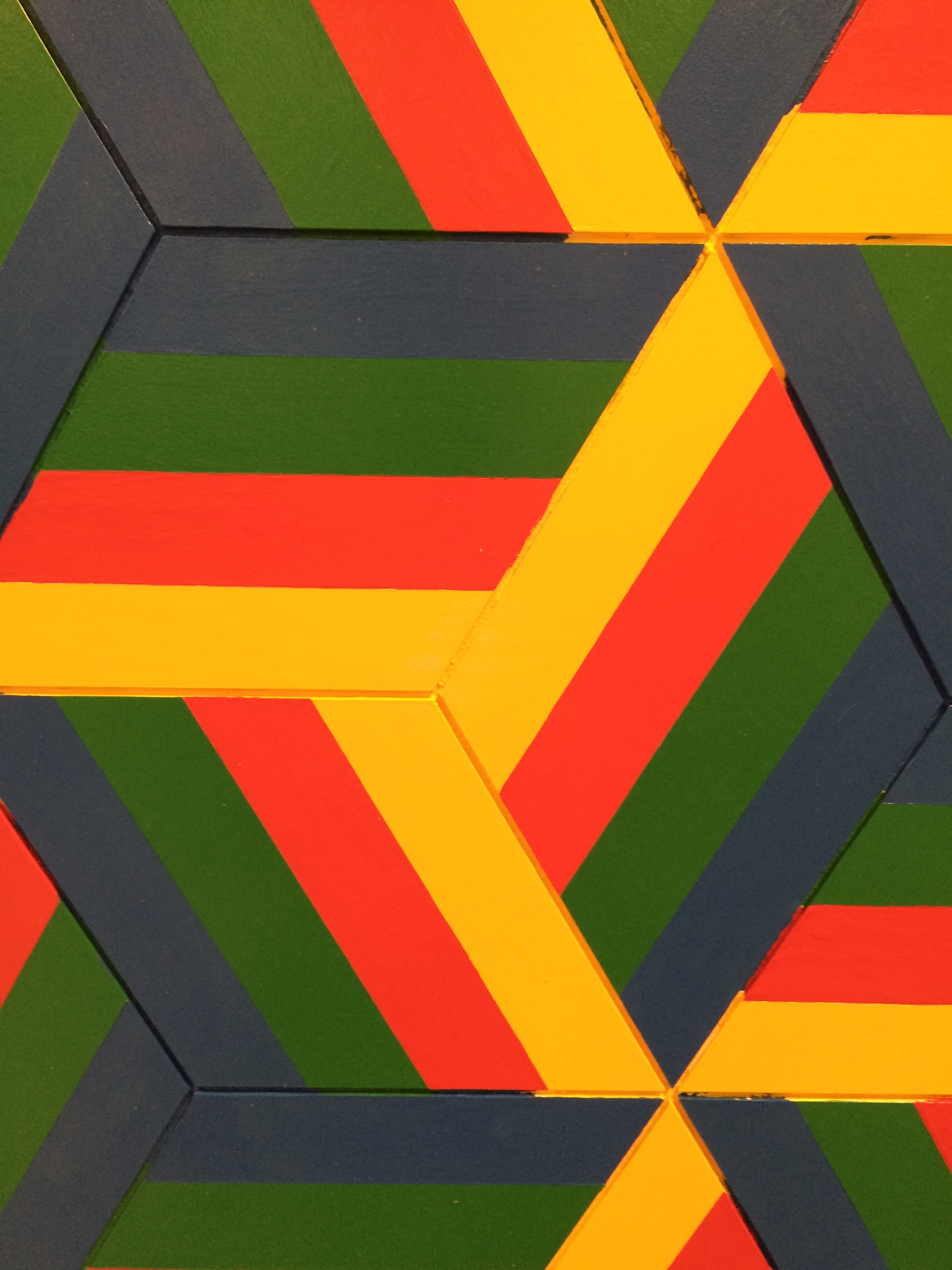
Jim Iserman’s acrylic painting is a pulsating homage to hexagons. This work is made like a tiling. Each hexagon is created using three rhombi. By situating the yellow bands to meet at the center, Iserman creates a Y-pattern. The forms take on the presence of cubes jumping off the surface.
The Armory show is an overwhelming experience. It takes hours to even get a superficial overview. There were a myriad of other works of art that relate to mathematics at this venue. It was difficult to chose just a few.
Susan Happersett
Art on Paper Fair
It is the first week of March, time for galleries from all over the world to display art at one of the half dozen large fairs in New York City. Since a lot of my own work involves paper, it makes sense that my first stop this year was the Art on Paper Fair. Here is just a quick overview of some of the work I thought had interesting mathematical connections.
Holger Hadrich – by Sarah Stengle
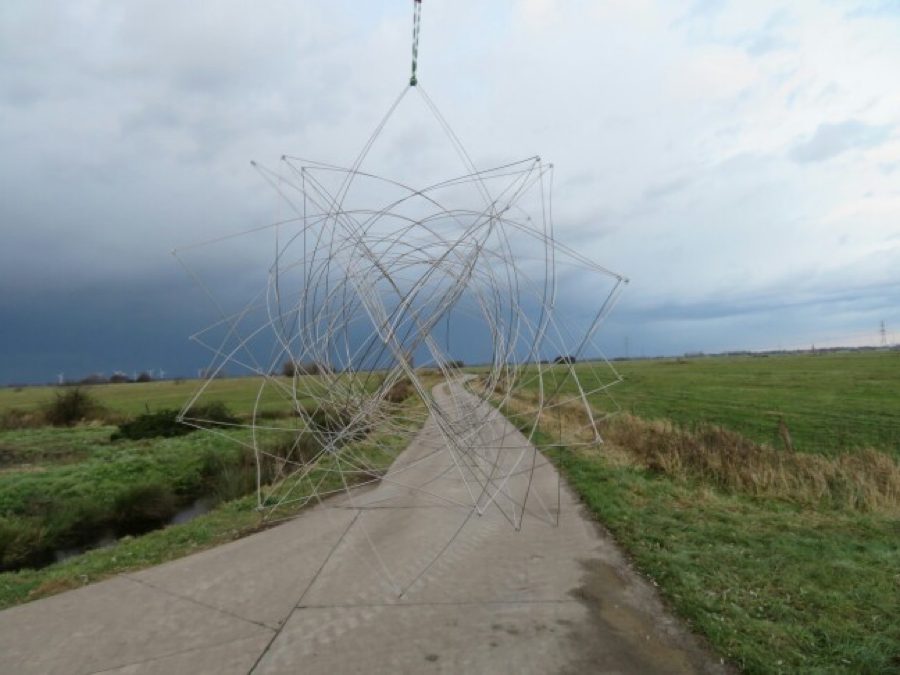
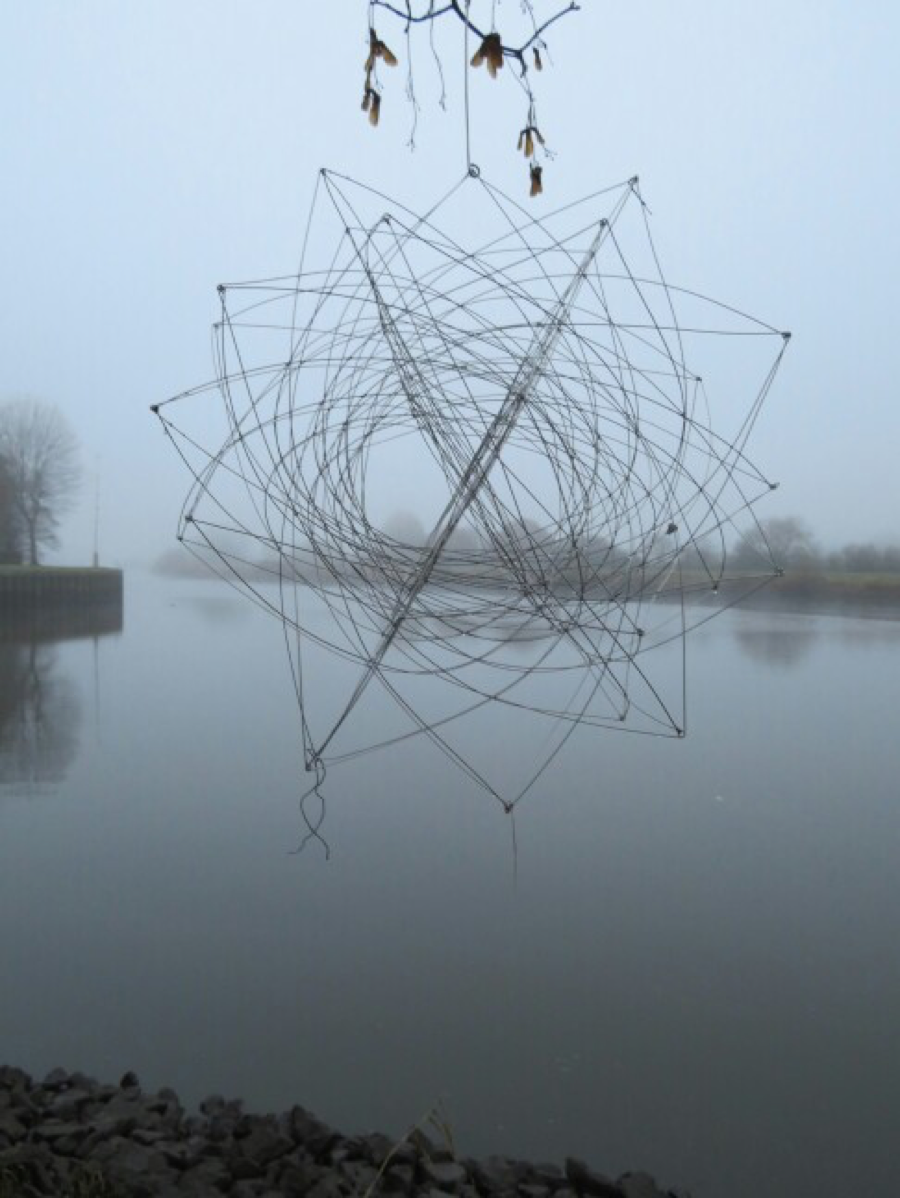
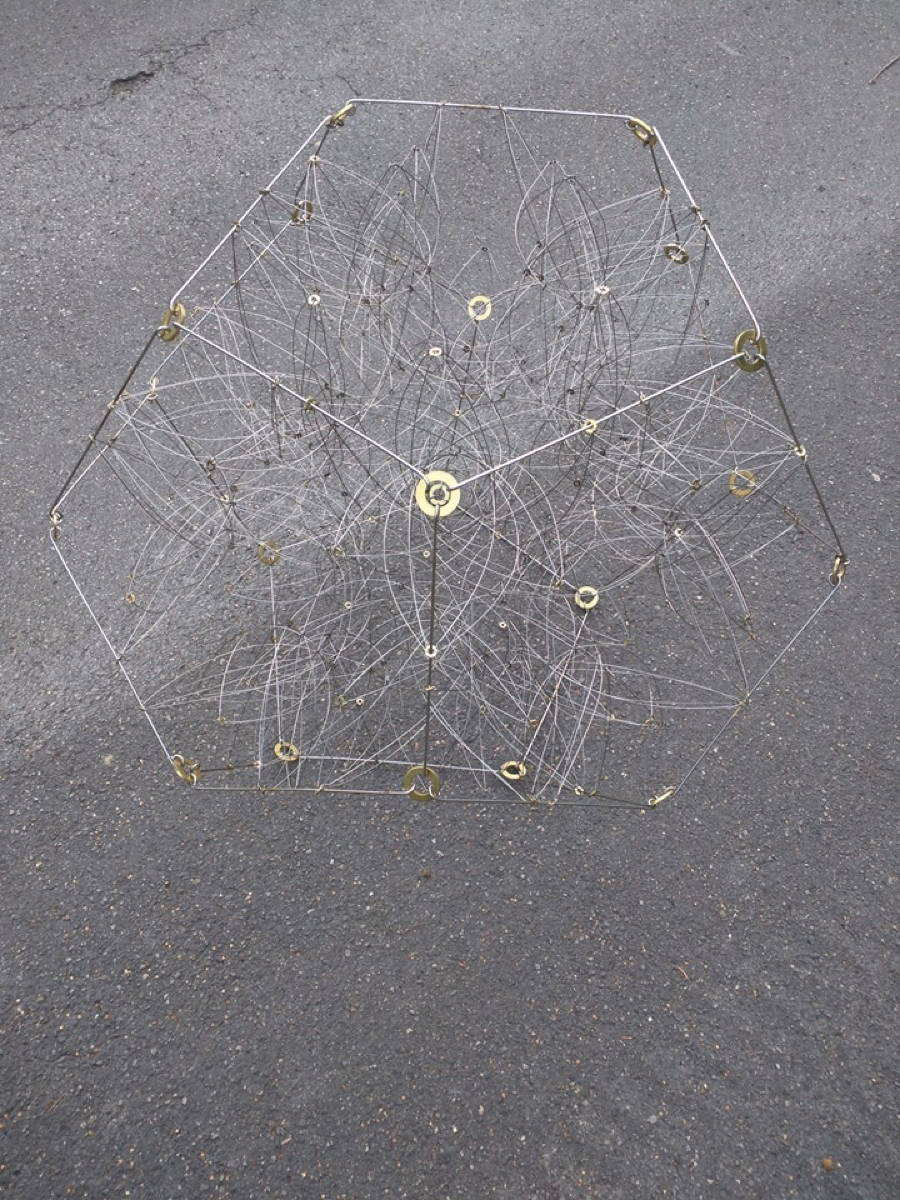
Holger Hadrich makes complex, collapsible geometric structures out of steel wire, and then photographs them in a way that dissolves the pure determination of the geometry into a feeling of a fleeting memory. The context chosen is often an ordinary place that implies motion, or transition. Sidewalks, asphalt and rivers recur with the superimposition of a delicate geometric structure.
These objects rarely obscure their backdrop but rather hover like an apparition. One can see right through them, as one could see through a ghost. In his hands, the timeless geometry of the Archimedean solids are presented as movable objects that we pass by in a fleeting world. The context for his creations underscore the idea of passage and form a sequence of ordinary by-ways transformed by an ongoing internal conversation with mathematical form.
The objects themselves are based on polyhedra, which are usually conceived of as solid. In his hands, however, they are rendered flexible and collapsible. Their web-like delicacy show precision and immense patience. One can almost imagine the object being turned in hand as careful attention is paid to the vertices. In many cases they are punctuated by small brass washers or carefully formed loops, which form a secured but collapsible hub. A different aspect of the work is made apparent when the objects are held in the hands. They are designed to be collapsible. Many are collapsible along more than one axis. To understand the collapsibility of his constructs it is best to handle them or see them in motion. His video Medusa Tower below shows one of his structures expanding from a depth of about three inches to nearly five meters.
Art historians from Vasari to Wöfflin have debated the supremacy of linear versus painter pictorial devices in art. These works are both simultaneously linear and painterly (malerisch). The absolute clarity of the mathematic constructs is intentionally obscured to become integral to the partially dissolved, or transient clarity of the object as photographed. These linear forms become painterly through Hadrich’s lens. The geometric forms are pulled out of the originating mathematical abstractions and into our ordinary life, where they seem to hover on the brink of collapsing and disappearing.
To quote Wölfflin: “Composition, light and color no longer merely serve to define the form, but have their own life absolute clarity has been partly abandoned to enhance the effect.” The resolutely normal sidewalks and fragments of asphalt are also transformed when viewed through the orderly but complex web of geometric construction of wire. One immediately intuits a precise order that stands against our own transience and feels patient, quiet and timeless.
You can find more about Hadrich’s work on his Facebook page.
This is Sarah Stengle’s first contribution to this blog. Sarah is an artist and writer based in St Paul, Minnesota.
College Art Association Conference Math Art Lecture
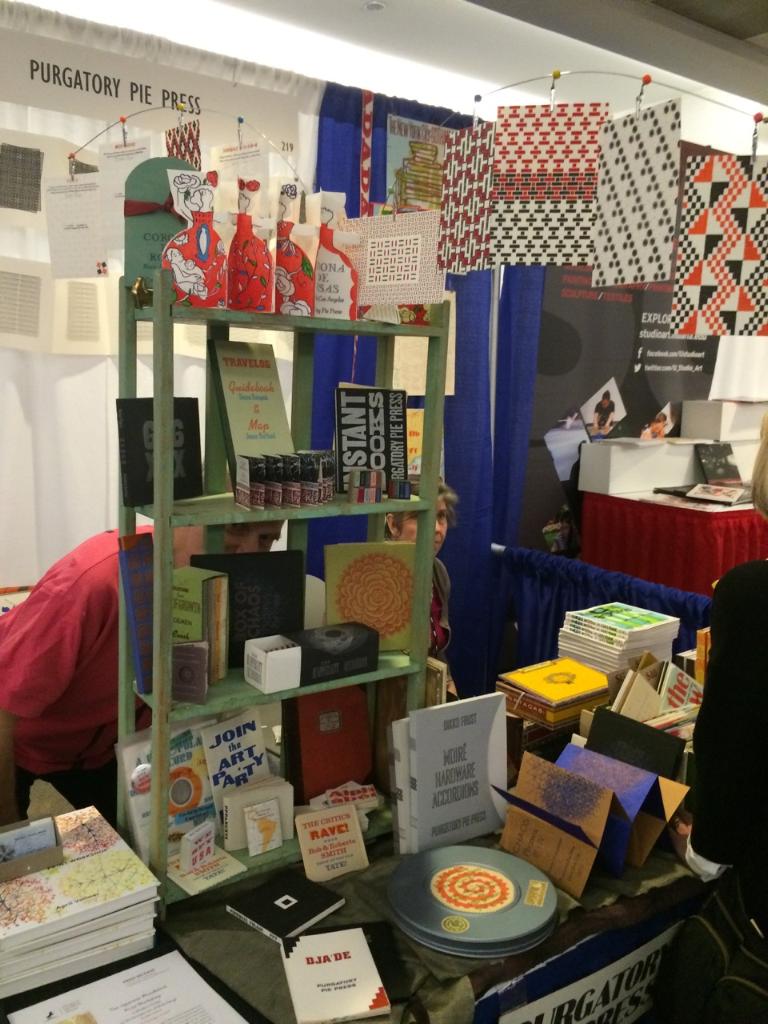
This Saturday, February 18 at 12 Noon EST, I will be speaking about mathematical art at the CAA’s annual conference at the Hilton Midtown in New York. I will be focusing on the works I have made in collaboration with Purgatory Pie press, which will be on display (and for sale).
College Art Association Conference
Hilton Hotel, 1335 6th Ave) at 53rd St
Second Floor – Rhinelander Gallery – Table 219

Susan Happersett
Picturing Math at the MET
The Metropolitan Museum of Art is current exhibiting a show titled “Picturing Math: Selections from the Department of Drawings and Prints”. The exhibit features work from the 15th to the 21st Century. It presents a cornucopia of beautiful work, and it was very difficult for me to choose just a few to discuss in this blog. Some of the most historically significant work was in the form of books that were opened to show prints.
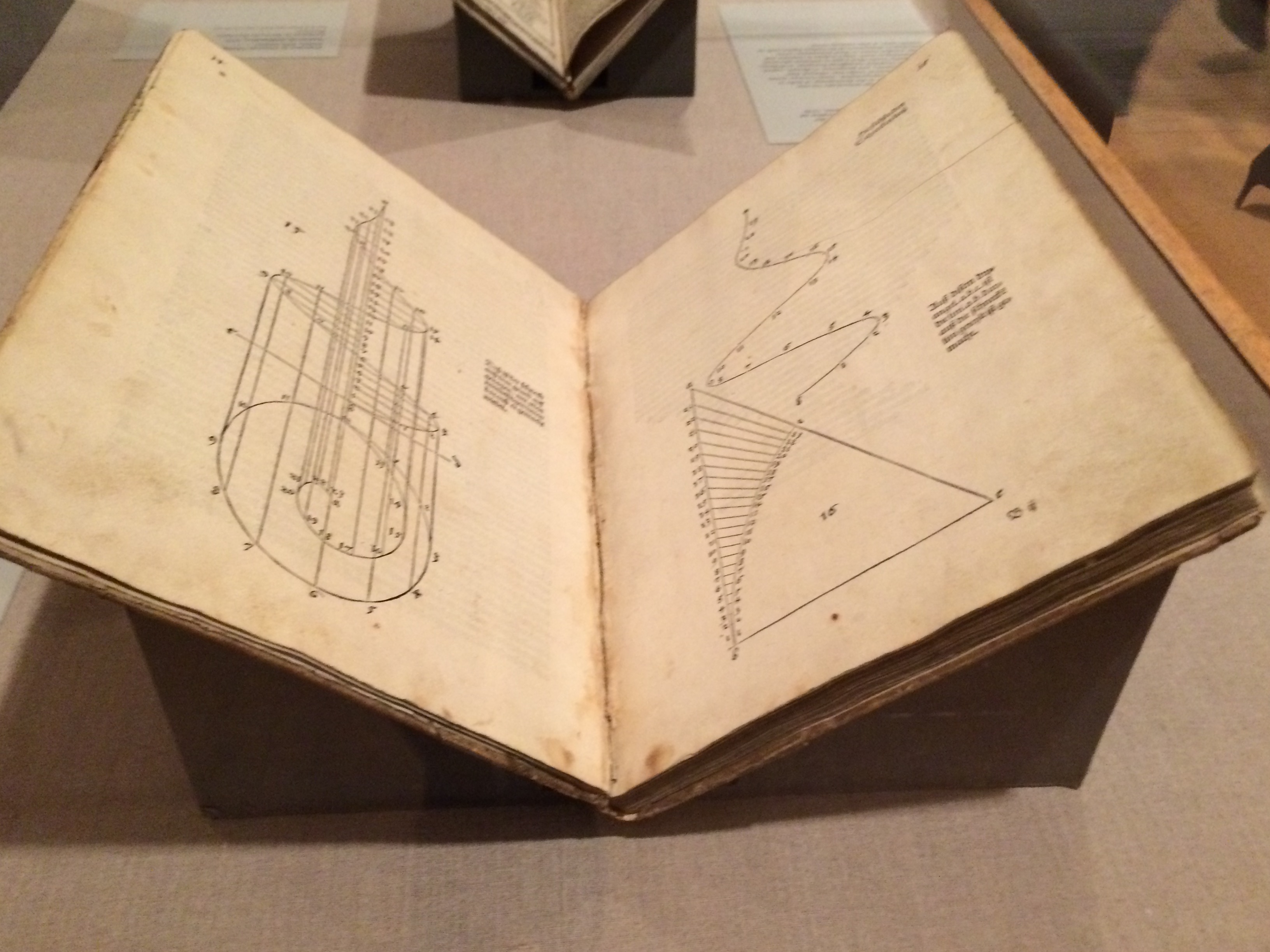
This first image is a page from Durer’s “Treatise on Measurement” from 1525. This particular print Is “Construction of a Spiral Line”. Although the aesthetic significance of this work is undeniable, it is a technical diagram complete with measurements.

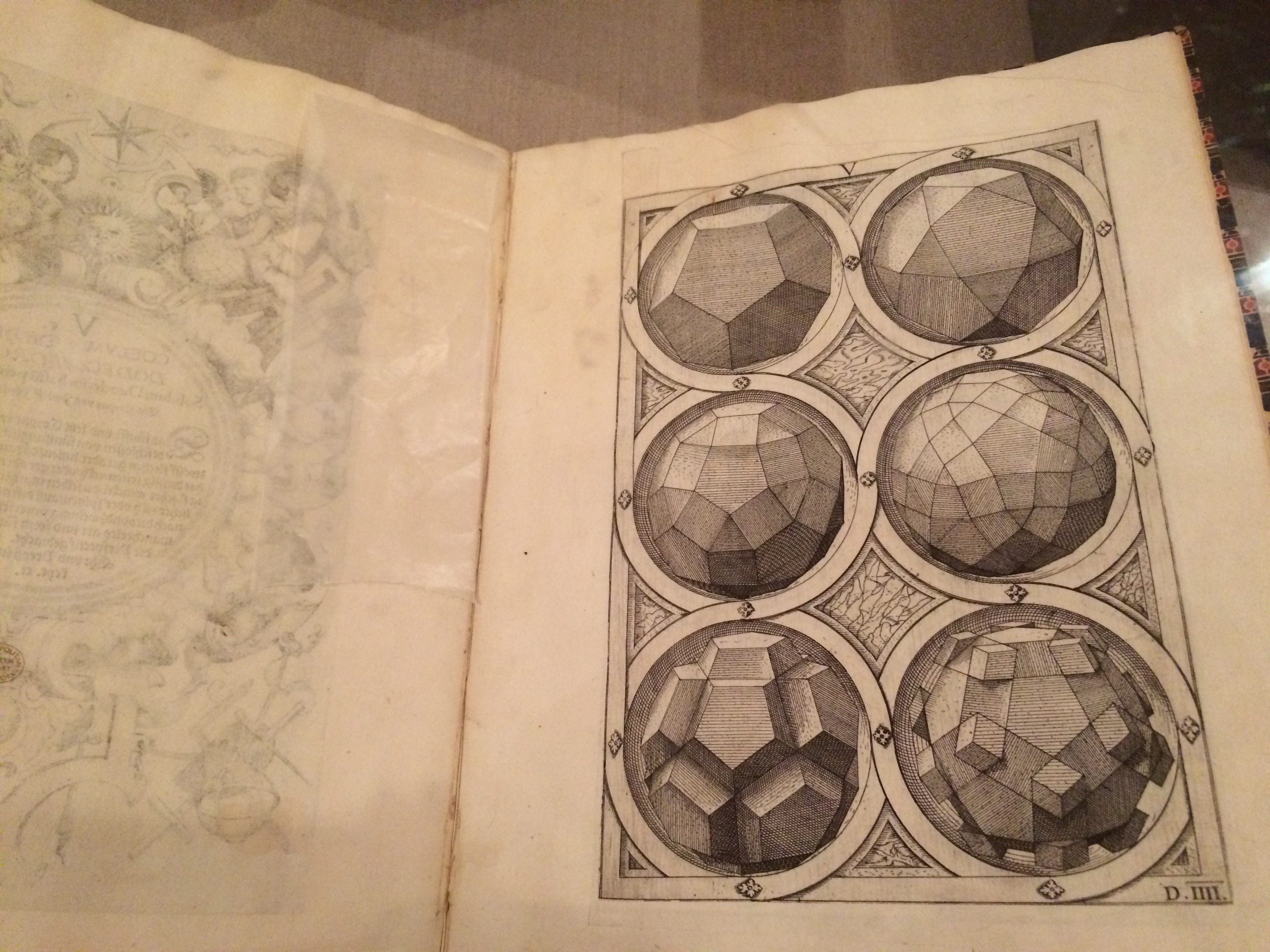
This next page is “Dodecahedron and Variants”, from “Perspectiva corporum regularium” (Perspective of Regular Bodies). This is a 1568 treatise by Jost Amman based on the work of Wenzel Jamnitzer. This work offers a progression of depictions of increasingly complex 3-D solids. Both of these books were created for the purpose of visualizing Mathematics as an expository tool, but because they are such gorgeous images they also highlight the beauty of the Mathematics.
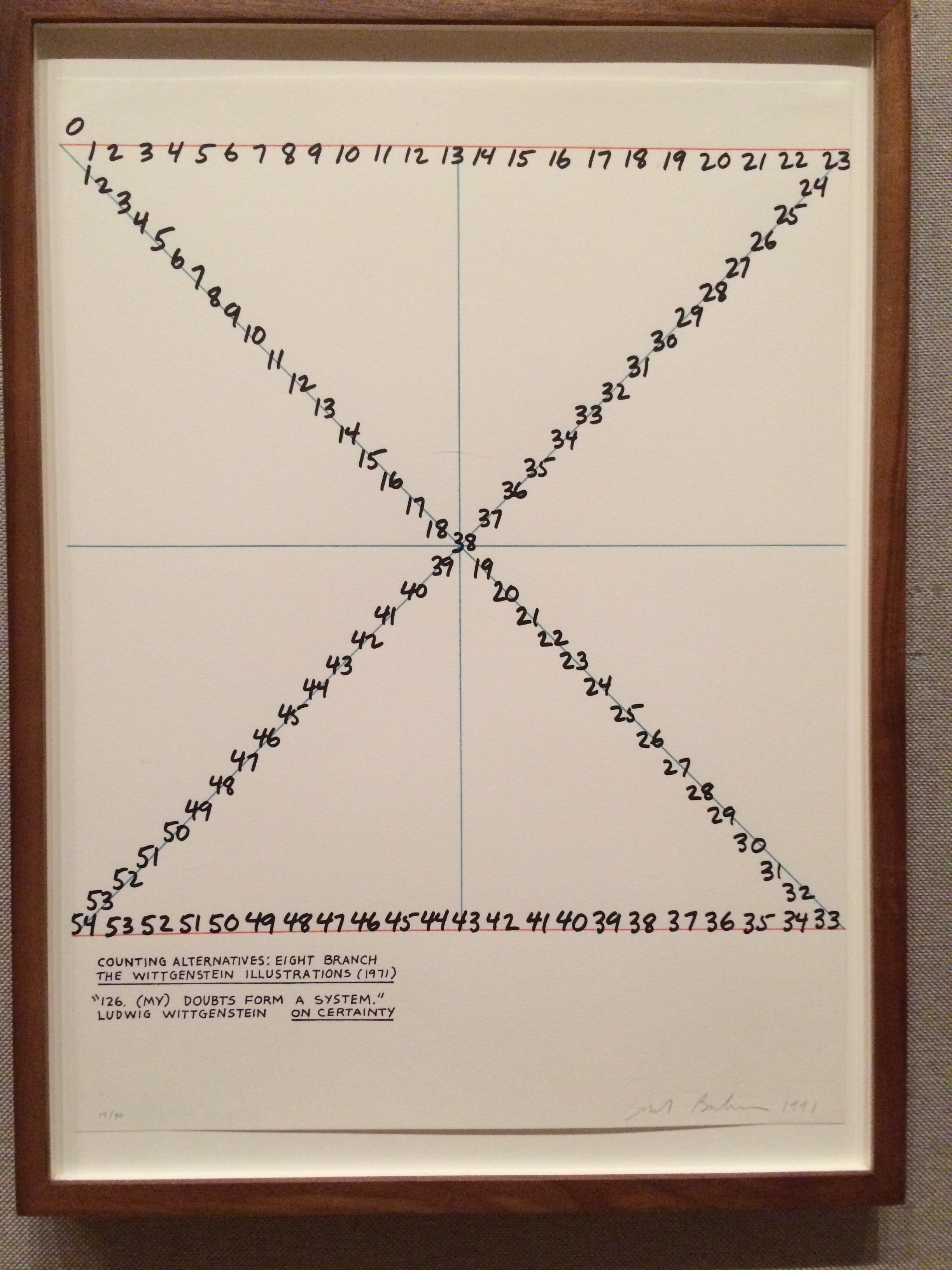
This exhibition also include contemporary art. A great example is Mel Bochner’s 1991 lithographs in the series “Counting Alternatives: The Wittgenstein Illustrations”. This particular print is titled “Eight Branch”. Referencing Bochner’s drawings from the 1970’s, this 1991 portfolio relates to the philosopher Ludwig Wittgenstein and his ideas about certainty. The print features two different lines of counting series, both starting with 0 in the top left corner. One line of digits goes horizontally across to the top right corner with 23 and the other goes diagonally across the page to the lower right corner with 33. Both routes end in the bottom left corner with 54.
Unlike the historical texts Bochner’s work is not about presenting mathematical principles to educate. Instead, he is using mathematics to express ideas. This is truly an excellent exhibit it will be up through April and I suggest that if you are in NYC, go see for yourself.
Susan Happersett