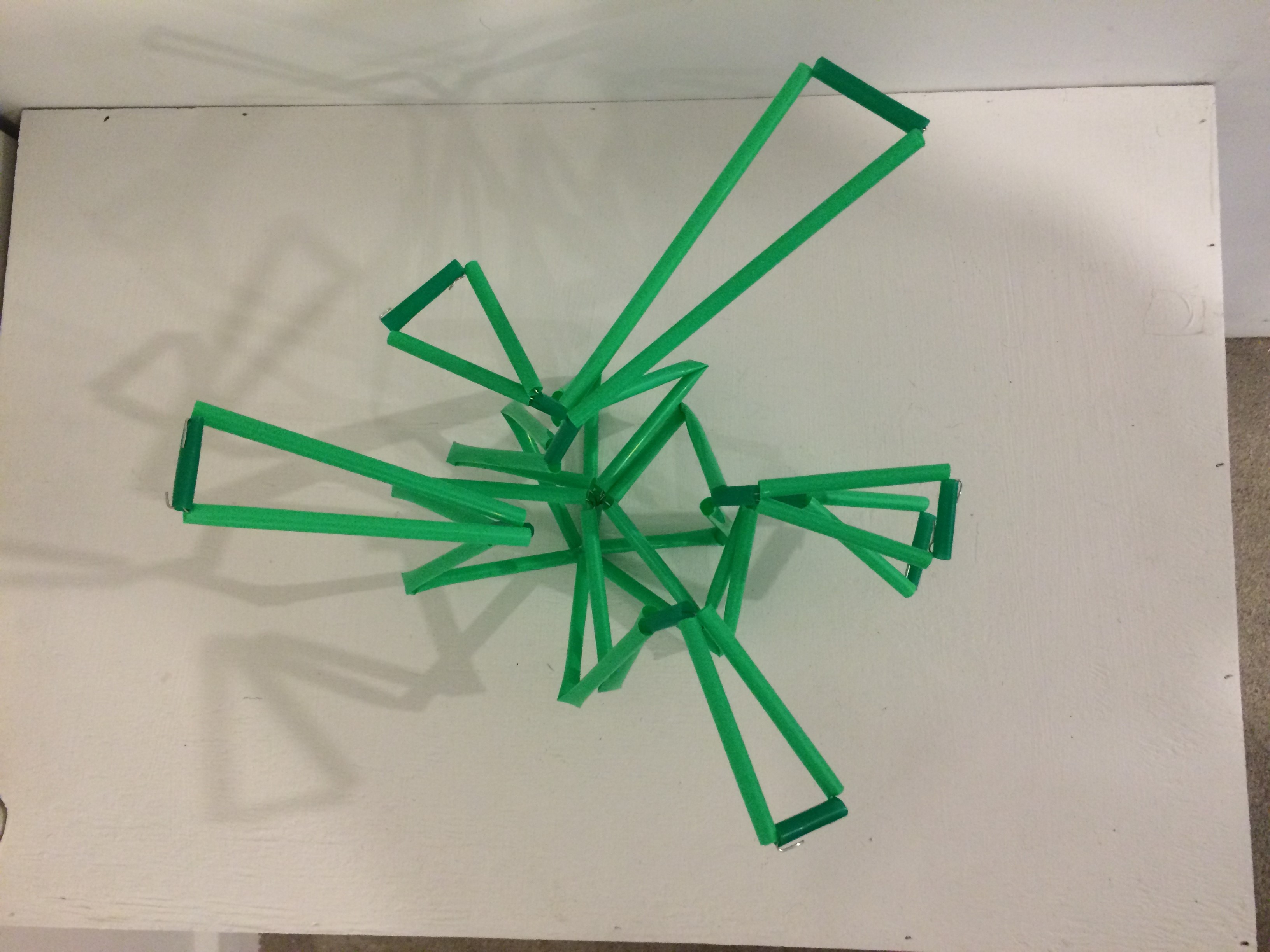
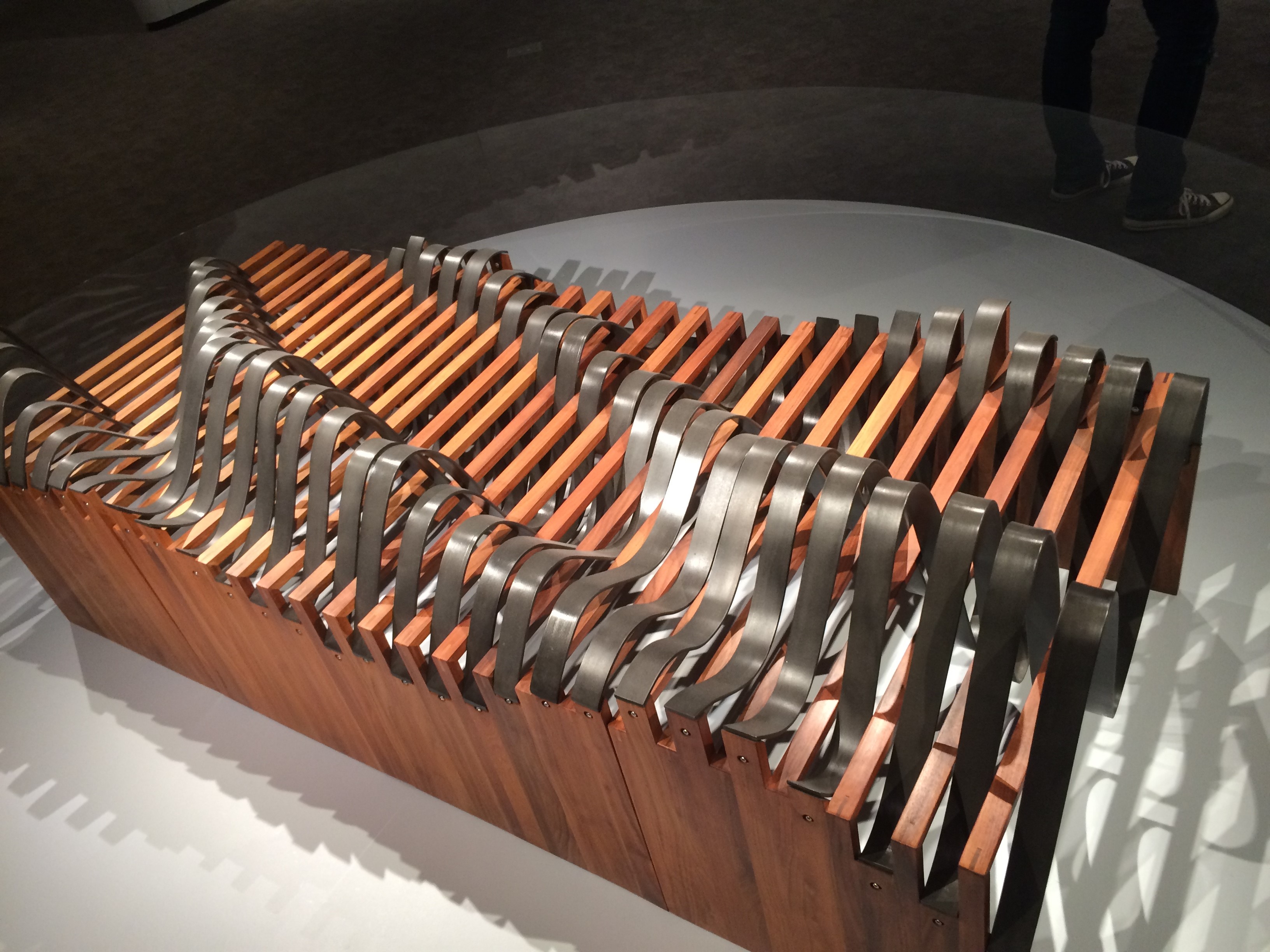
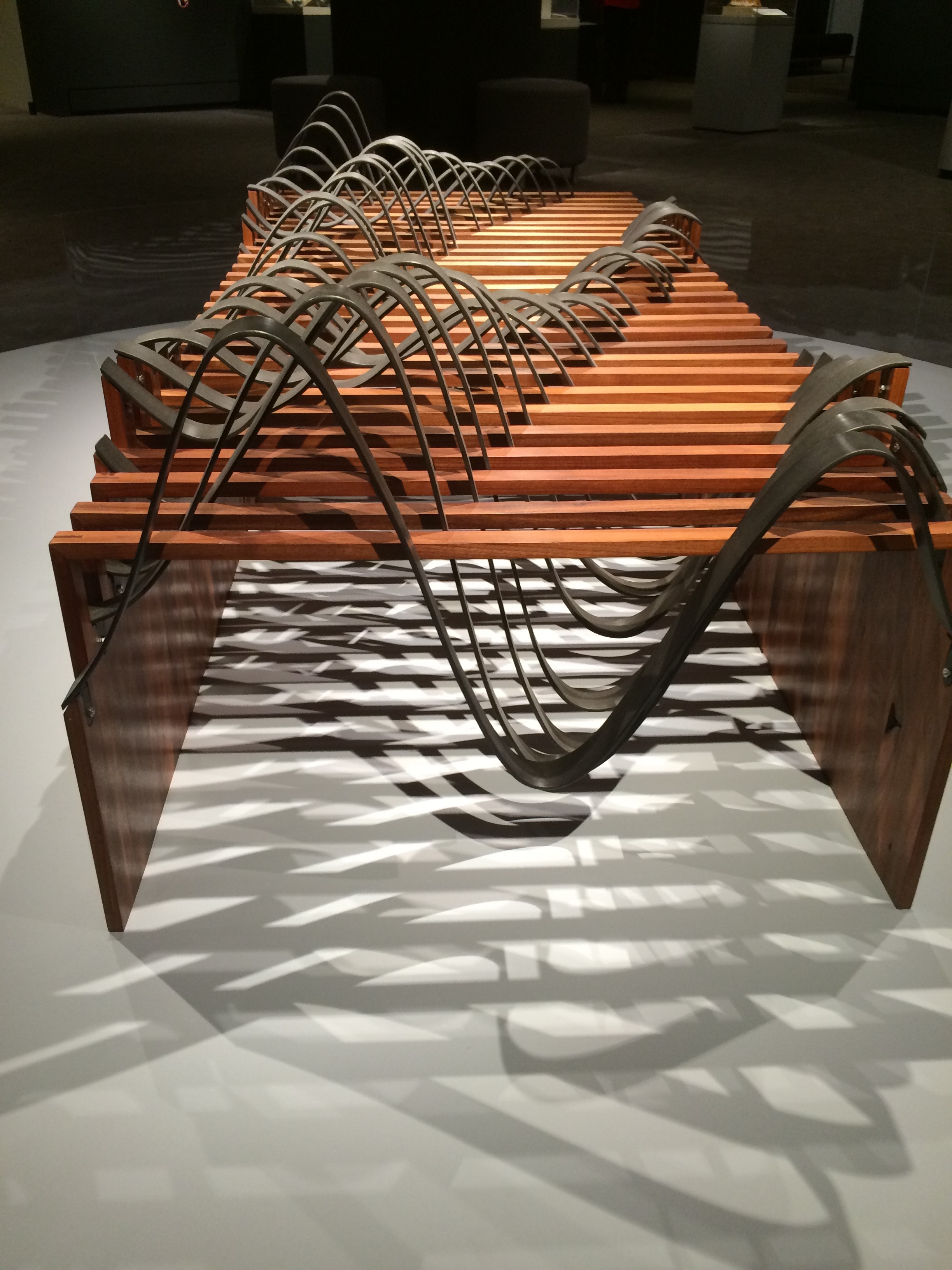
Mathematical Art
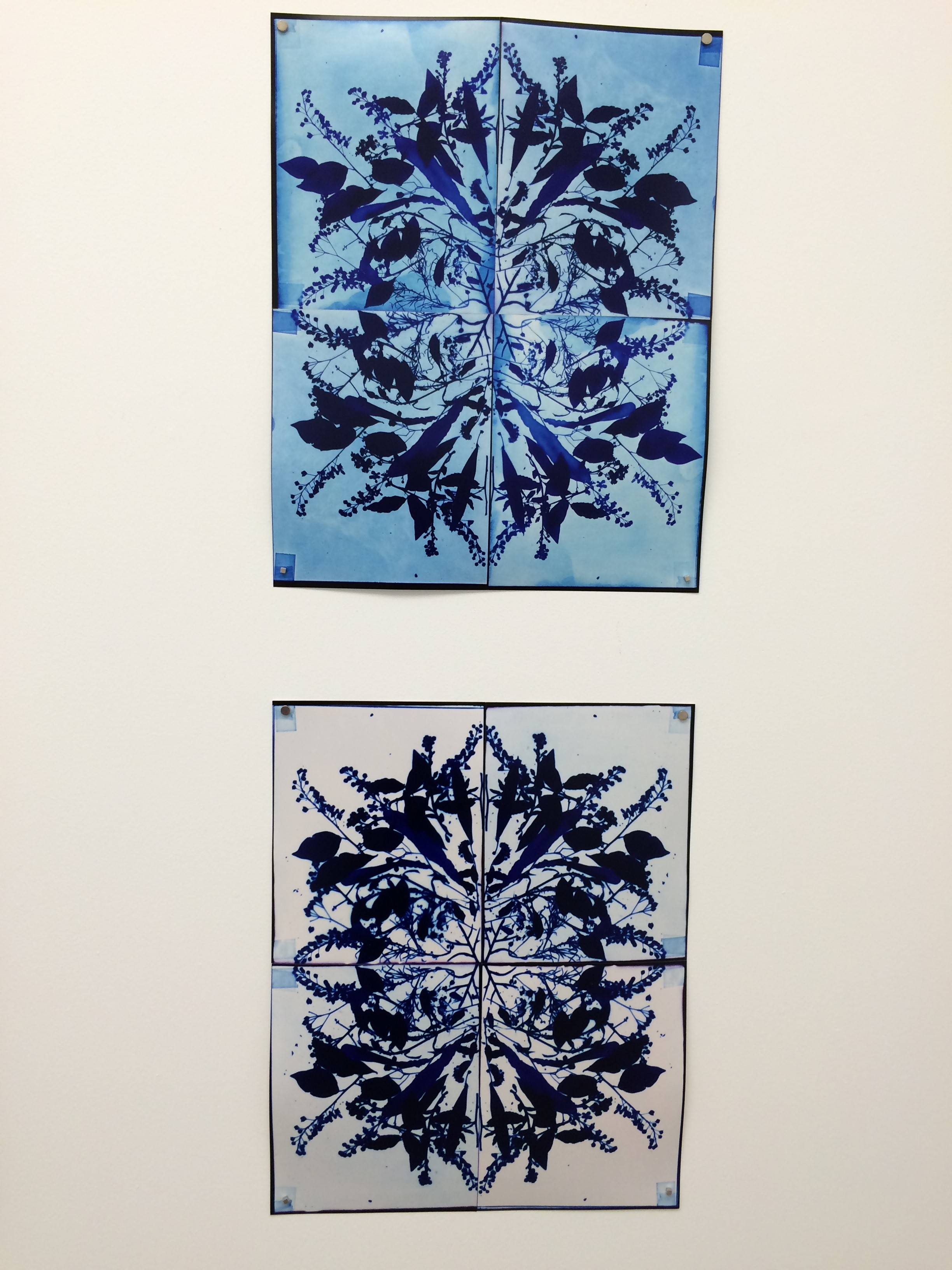
The Twenty by Sixteen Biennial at Morgan Lehman Gallery
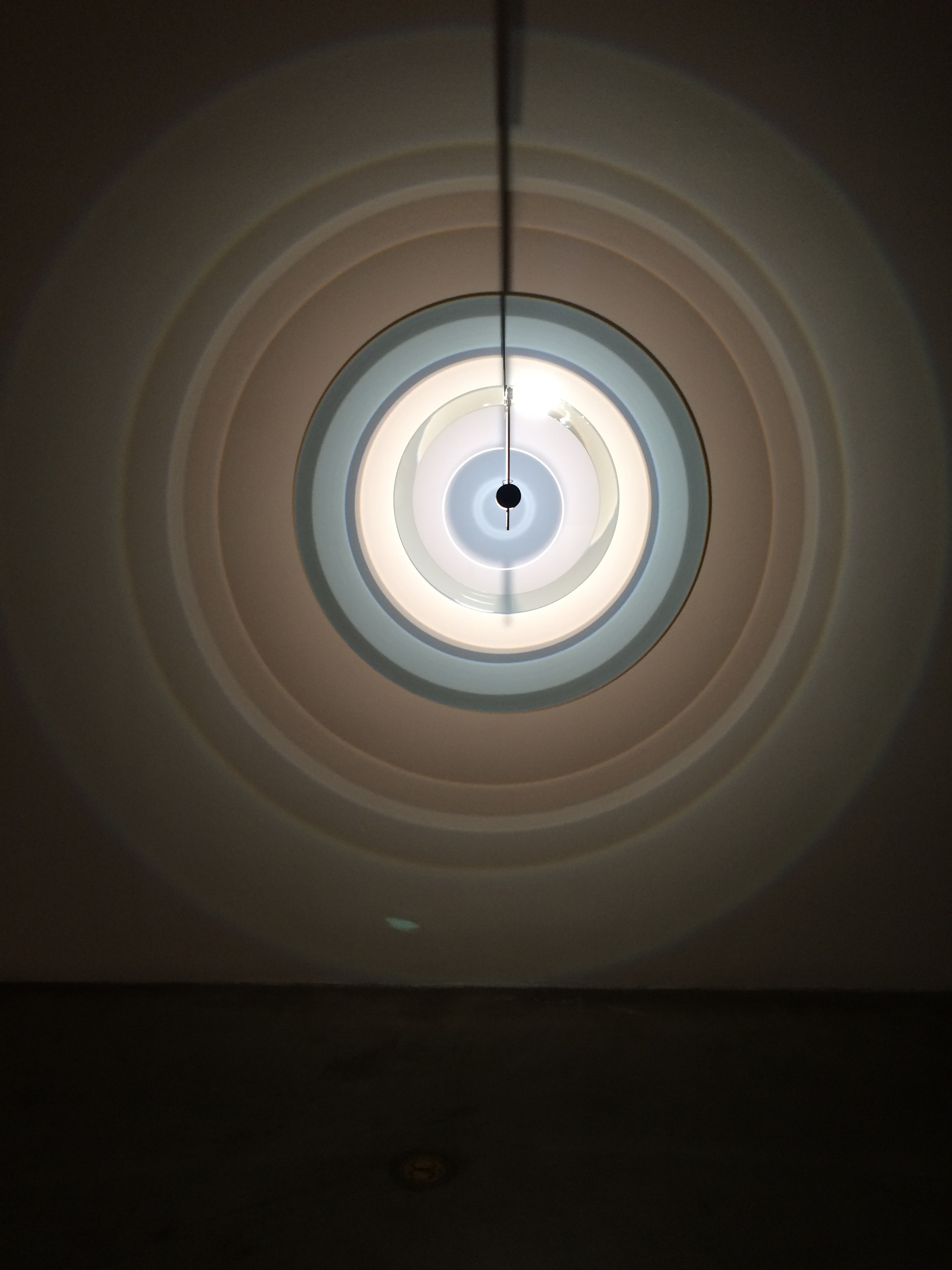
Olafur Eliasson at Tanya Bonakdar Gallery
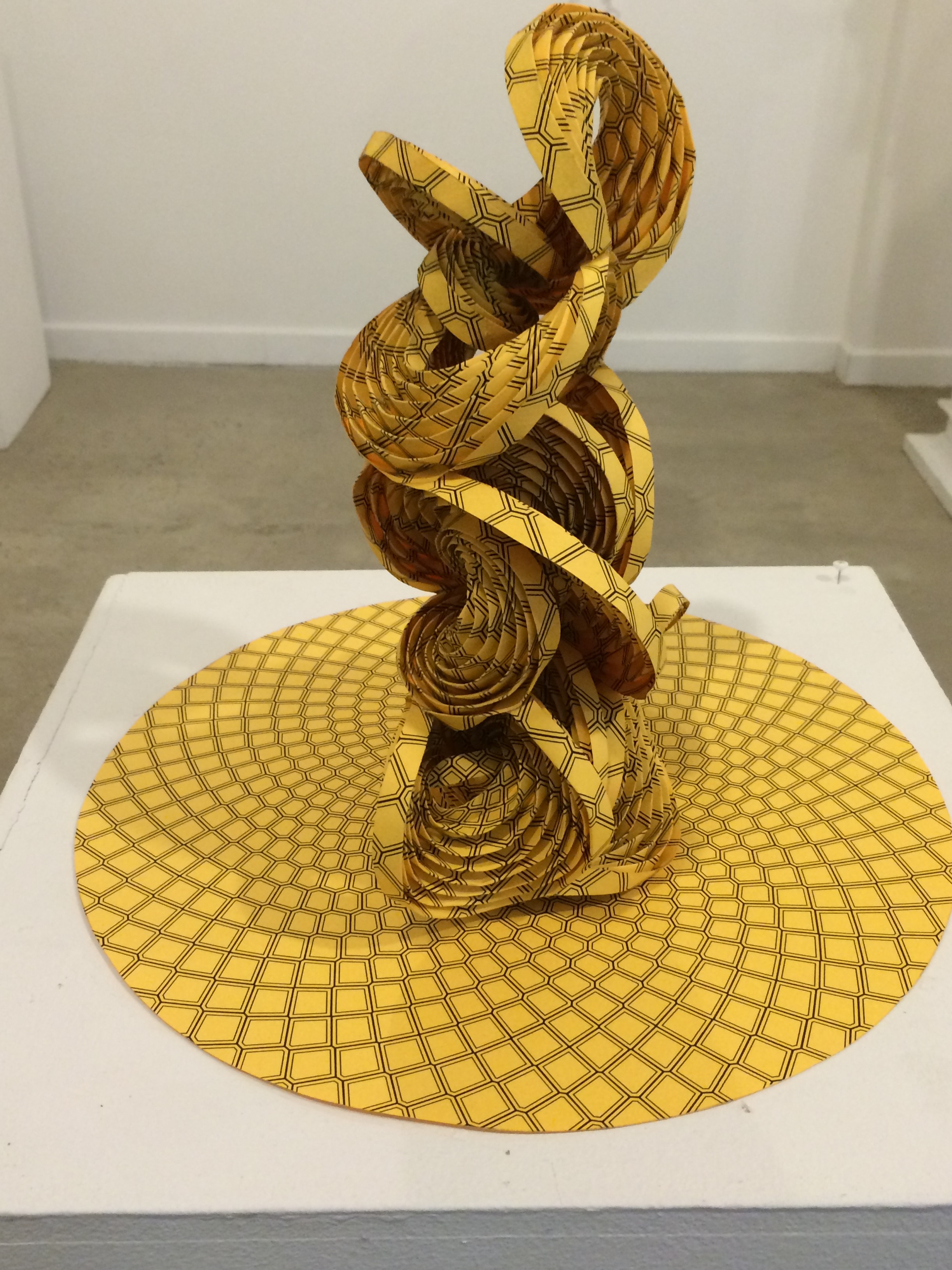
Natura Mathematica at Central Booking Gallery
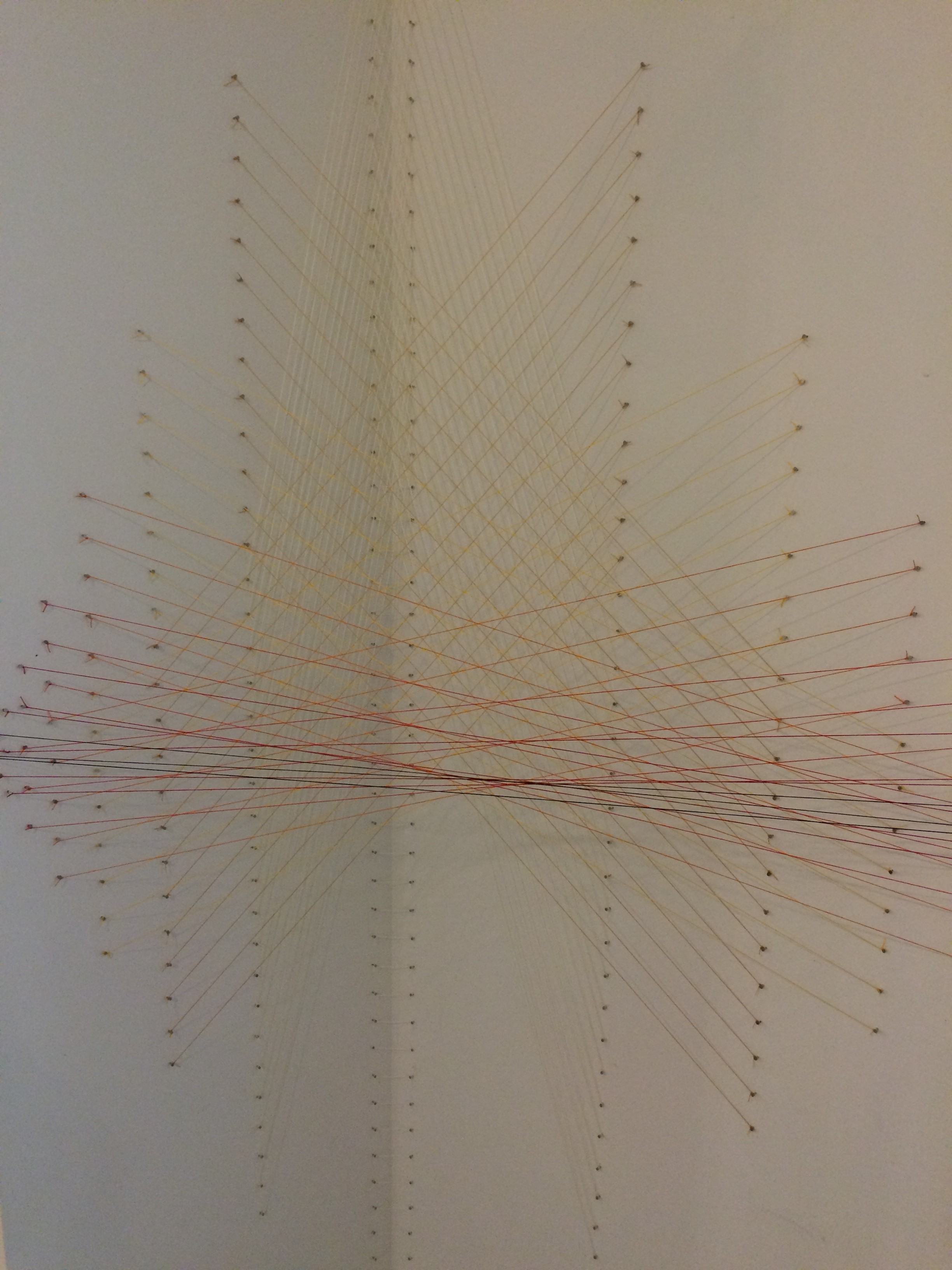
“Lunar Attraction” at the Peabody Essex Museum
College Art Association Conference Math Art Lecture
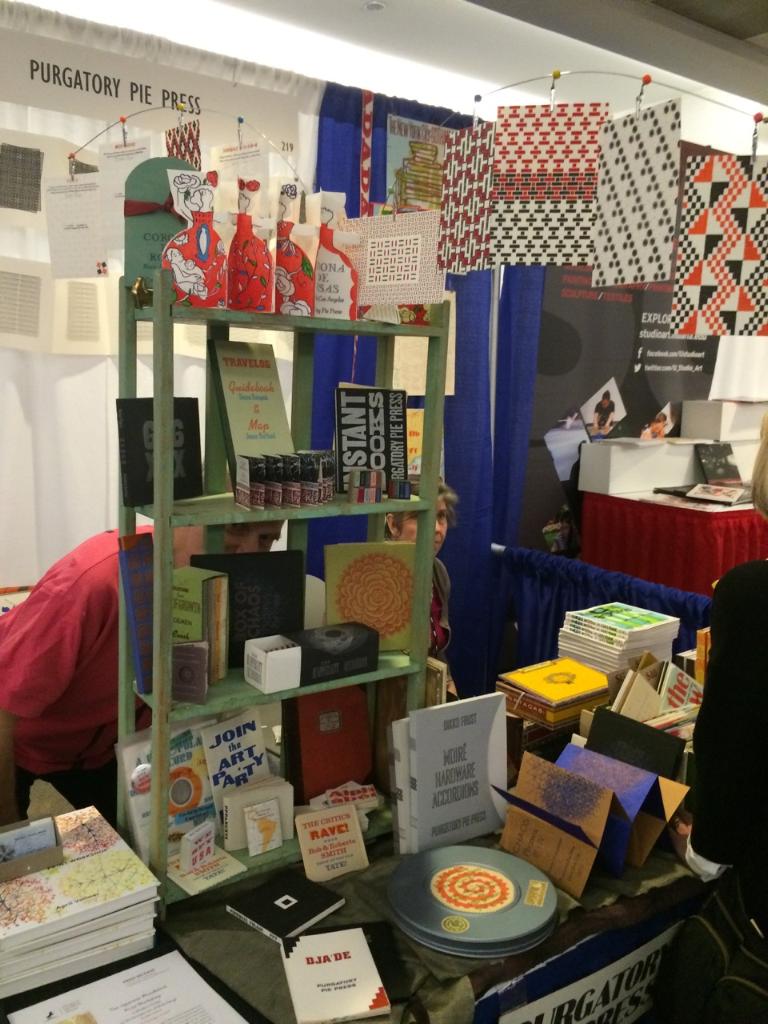
This Saturday, February 18 at 12 Noon EST, I will be speaking about mathematical art at the CAA’s annual conference at the Hilton Midtown in New York. I will be focusing on the works I have made in collaboration with Purgatory Pie press, which will be on display (and for sale).
College Art Association Conference
Hilton Hotel, 1335 6th Ave) at 53rd St
Second Floor – Rhinelander Gallery – Table 219

Susan Happersett
A Million
I never planned to use this blog to discuss my political leanings but …
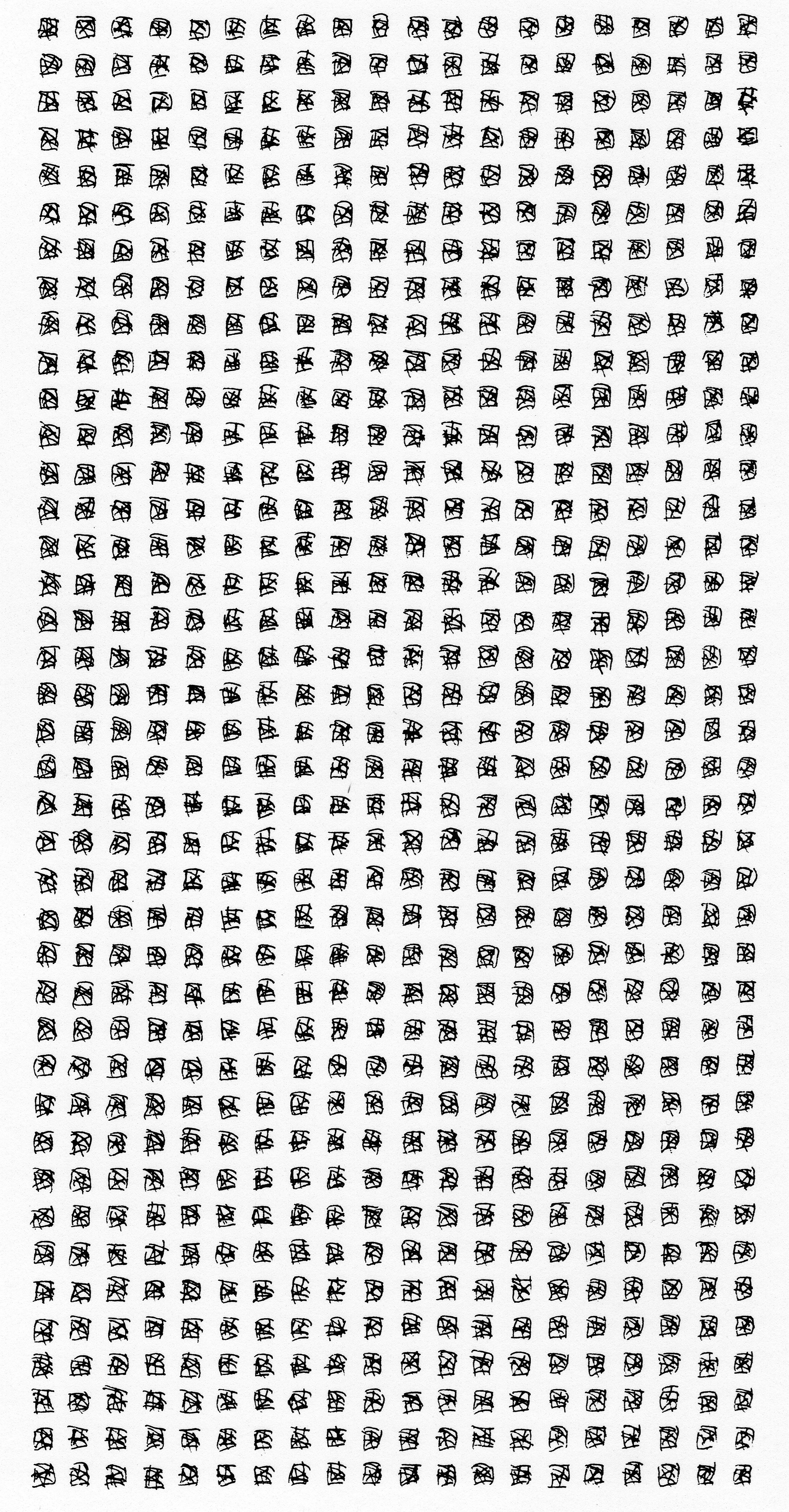
My sister Laura and I participated in the Woman’s March in Washington this past weekend. The size of the crowd was of a magnitude I have never experienced before. Anyone who has seen my work knows i have a predisposition for counting. Years ago, I developed a system of creating counted mark-making drawings. One project – from 1999 – titled “A Million Markings for the Millennium features 125 prints, each with a 40 by 20 square grid. Each grid square contains 10 markings. The number one million is thrown around freely in rhetoric and dialog, causing it to loose its gravitas. This work is my visual answer to the question “Just How many is a million?”
Standing on Indepence Avenue on Jan 21 I was overwhelmed by the sea of people all walking together. The societal effects of very large number was palatable. I had not planned on discussing these emotions in this forum but when the concept of counting becomes an issue with regards the Presidential inauguration crowd, I could not stop myself.
Artists, even Math artists, do not work in a bubble (although I have attempted to crawl under a rock for the last two months). Objective counting and measuring has become a source of political existential angst. There is really no such thing as “alternative accuracy”. Sometimes numbers speak louder than words.
I guess I will always be a Nasty Number Geek
Susan Happersett
More Art From JMM: Elizabeth Whiteley and Clayton Shonkwiler
The gallery area at JMM was full of interesting work. Here are two more excellent examples.
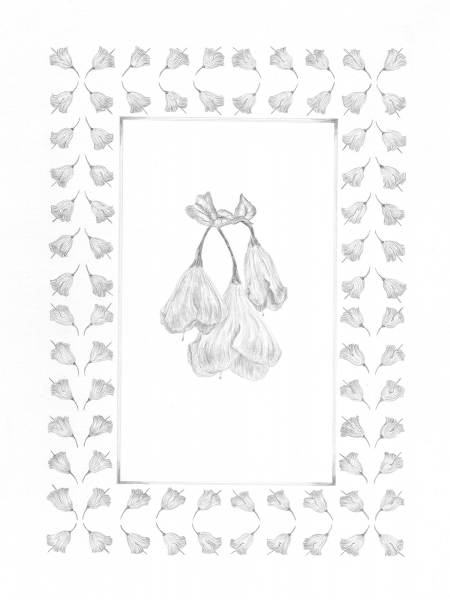
Elizabeth Whiteley work is often related to botanical drawing and painting. In this new work she explores the geometry of of plants, but also the symmetries of design. Through her study of Frieze Group Symmetries she is developing a series of drawings that tackles the challenges that occur at the corners of the page. A Frieze Group is the mathematical classification for 2-D patterns that repeat in only one direction. Often seen on building as border decoration. There are seven symmetry groups that relate to Frieze patterns involving combinations of rotations reflections and translations.
The silverpoint drawing “Halesia carolina I” (above) features a central figure of three blooms surrounded by a border pattern of single blooms. This frieze pattern features reflected translations with a line of reflection at the center of each side. Whiteley’s drawings call to mind the decorative use of borders in illuminated manuscripts. By referencing the patterns of the central figure in the design element of the border, the symmetries become more connected to the central theme.
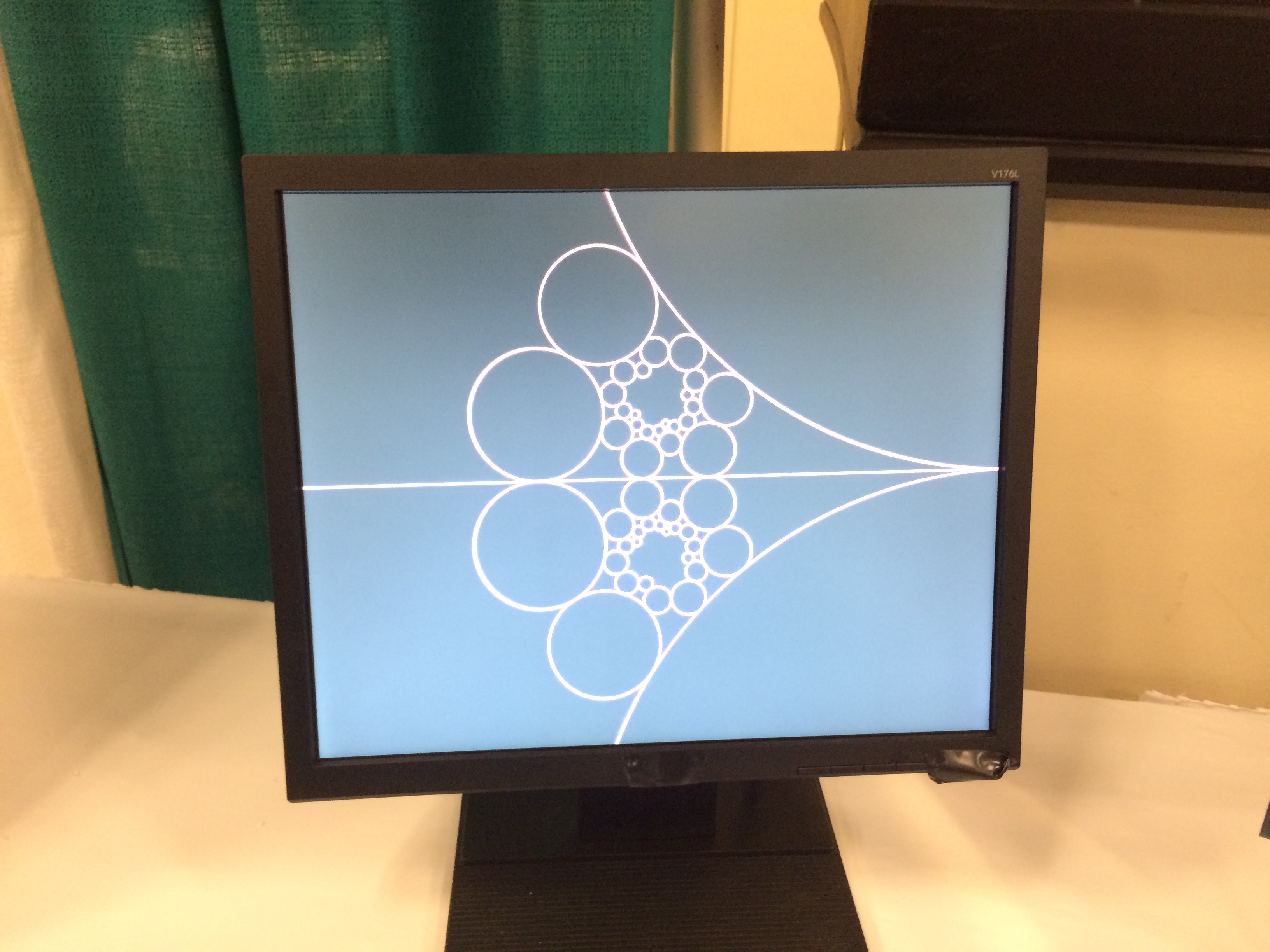
The clean lines of Clayton Shonkwiler’s digital animation “Rotation”drew my attention. Using circles and lines, the video presents undulating, almost sensual, geometric images.
I am providing a still shot I took in the gallery, but his videos are available on Shonkwiler’s website.
Although the geometric figures, circles packed into the square grid of the video frame, are basic, the mathematics for this visual feat is quite complex (Shonkwiler utilizes a Möbius transformation of the hyperbolic plane to the Poincaré disk model). I think it is the purity of the clean lines of the circles that allow the grace of the more complicated mathematical processes to translate into a really beautiful video.
Susan Happersett
Exhibition of Mathematical Art at JMM
This year the huge Joint Mathematics Meeting was held in Atlanta Georgia with over 6,000 attendees. A section of the exhibition hall was turned into a gallery space to present art work with mathematical connections. There were also dozens of talks presented by both mathematicians and artists on the topic of Mathematical Art.
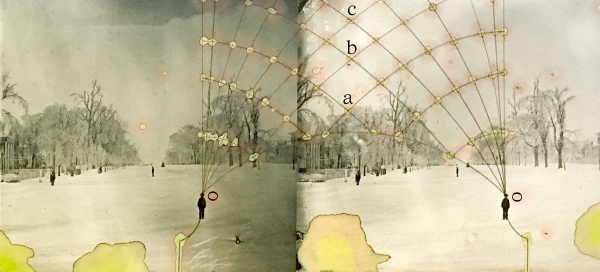
During one of these talks, Sarah Stengle presented work from her collaboration with Genevieve Gaiser Tremblay. The large series of works on paper, titled “Criterion of Yielding”, uses stereoscopic images from the 1850’s as the background for drawings of diagrams from the book “Mathematics of Plasticity” written by Rodney Hill in 1950.
The work “Criterion of Yielding, Winter Scene” features a mathematical schematic based on the deformation of metals that creates a visual bridge between the solitary figure on each side of the stereoscopic card. To enhance the feeling of antiquity, the artist uses ground peridot gemstone to make the pigment. This process gives the color a sense of stains instead of paint alluding to the paper as artifact.
The topic of plasticity revolves around the measurement of stress, strain, bending, and yielding. All these ideas are poetically associated to the human condition, both as individuals and with regards to our interactions. The layering of mathematical material over existing images presents an unexpected dichotomy. The additional process of pigmented staining and mark making instills each work with a sense of time.
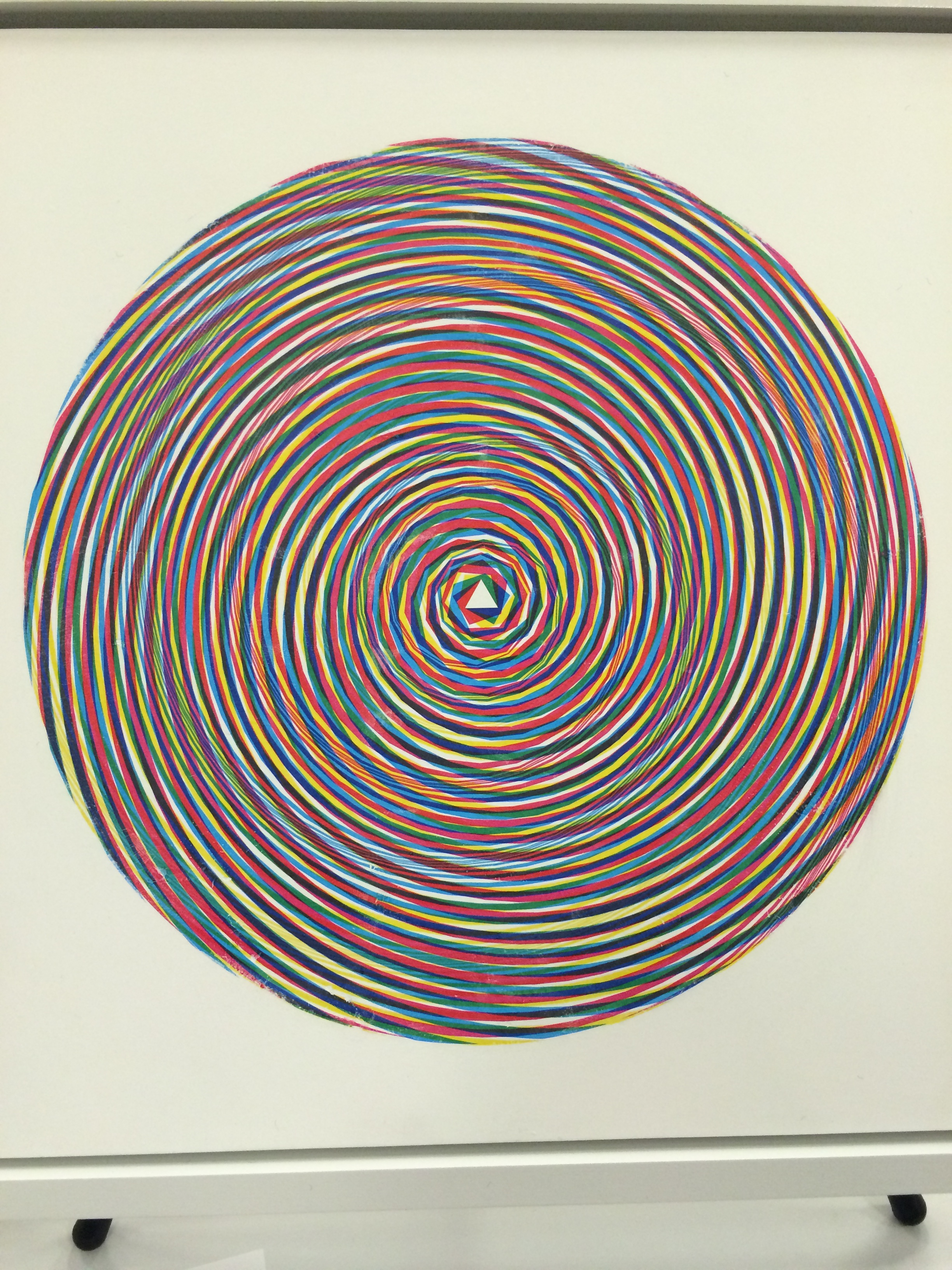
Andrew James Smith developed a unique process of drawing regular polygons to create a spiral called a Protogon. The process to form a Protogon begins with a triangle and progresses with each new polygon sharing a side with the previous polygon and having one more side.
“Proto Pinwheel” is a digital study for a large acrylic painting and is a pigment transfer on wood. For this work Smith has started with a yellow opaque Protogon shape and then rotated 120 degrees and layered subsequent Protogon shapes in varying transparent colors. The result is a spiral pulsing with energy.
More from JMM in a few days.
Susan Happersett
Flat File Show at Matteawan Gallery – Beacon, NY
The Matteawan Gallery in Beacon New York is currently exhibiting the work on paper of 17 diverse artists. Two of the artists, Greg Slick and Eleanor White, use geometric themes while exploring unique textural elements.
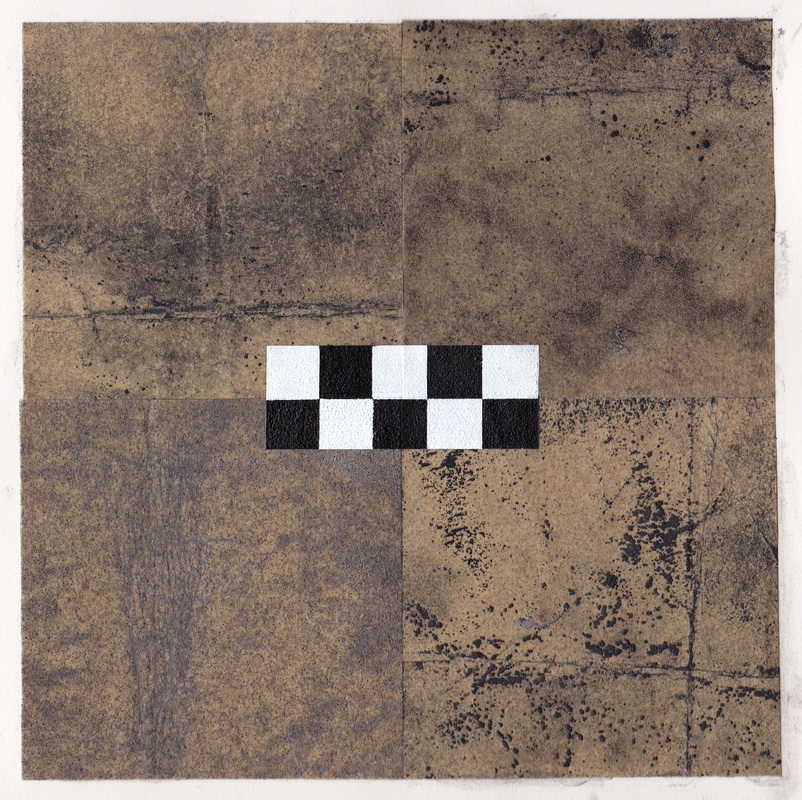
This composition by Greg Slick features a 2 by 4 checker board grid centered on a square background made up of four pieces of used sandpaper. The proportions for hard-edge minimal painting is inspired by the dimensions of ancient archeological sites. There is an interesting dichotomy between the spare black and white grids and the rich, almost suede-like, surfaces of the used sandpaper.
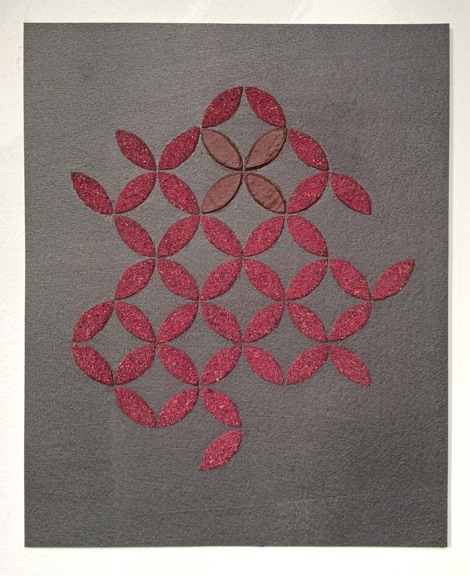
Eleanor White uses pulverized rose petals and cocoa powder to explore the properties of square grid overlapping circles. This work features complete and incomplete circles of the type in which each circle has four other circles intersecting at points with equal 90 degree arc lengths. White’s use of materials underscores the organic nature of circular formations.
Although all of the artists in this show work in very different themes and media, there is an underlying similar sensibility to the work. The gallery presents a cohesive experience of thoughtful and sensitive work that is not often seen in such a large group show.
Susan Happersett