Uncategorized
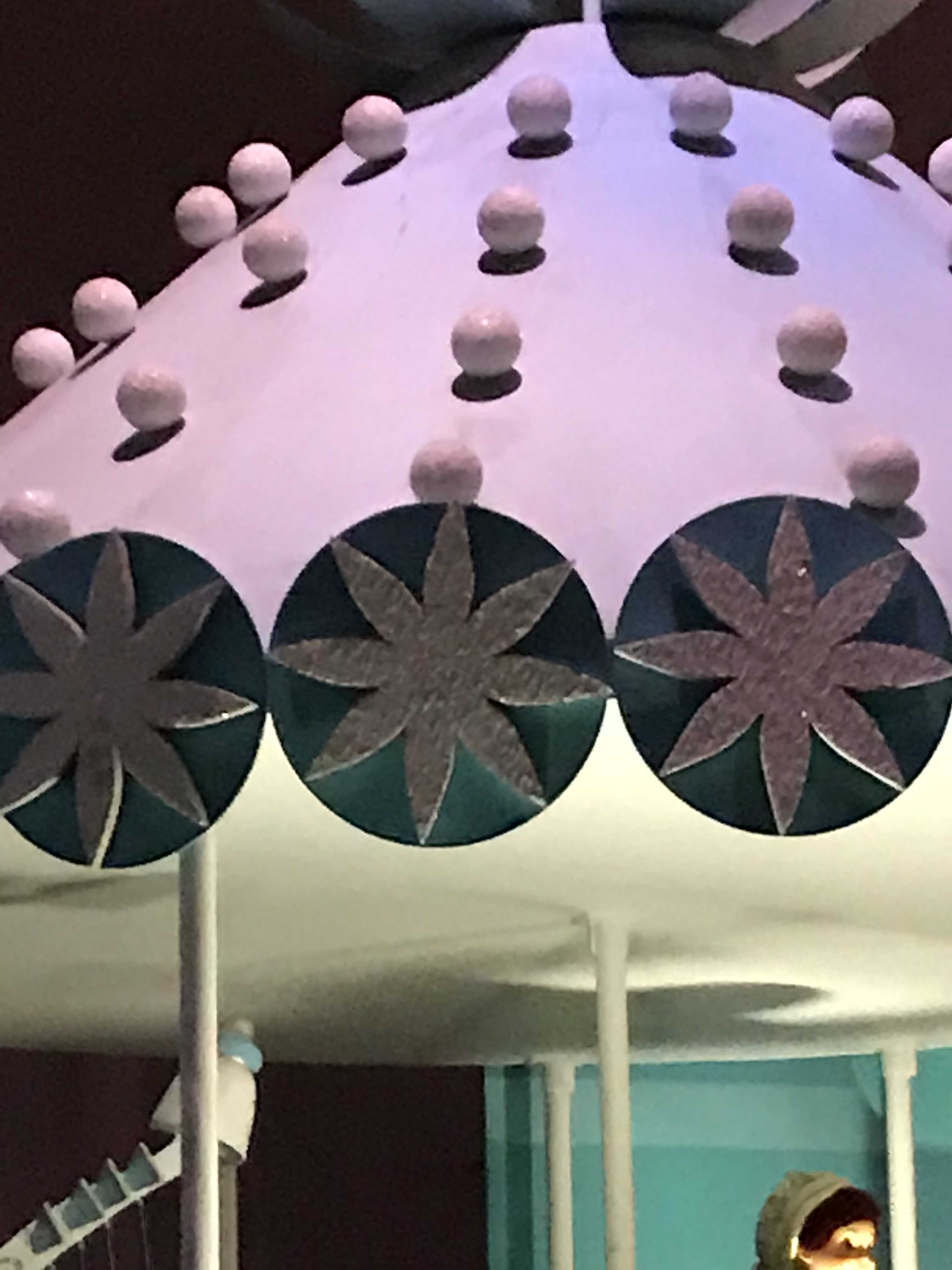
“It’s a Small World” of Rotational Symmetry
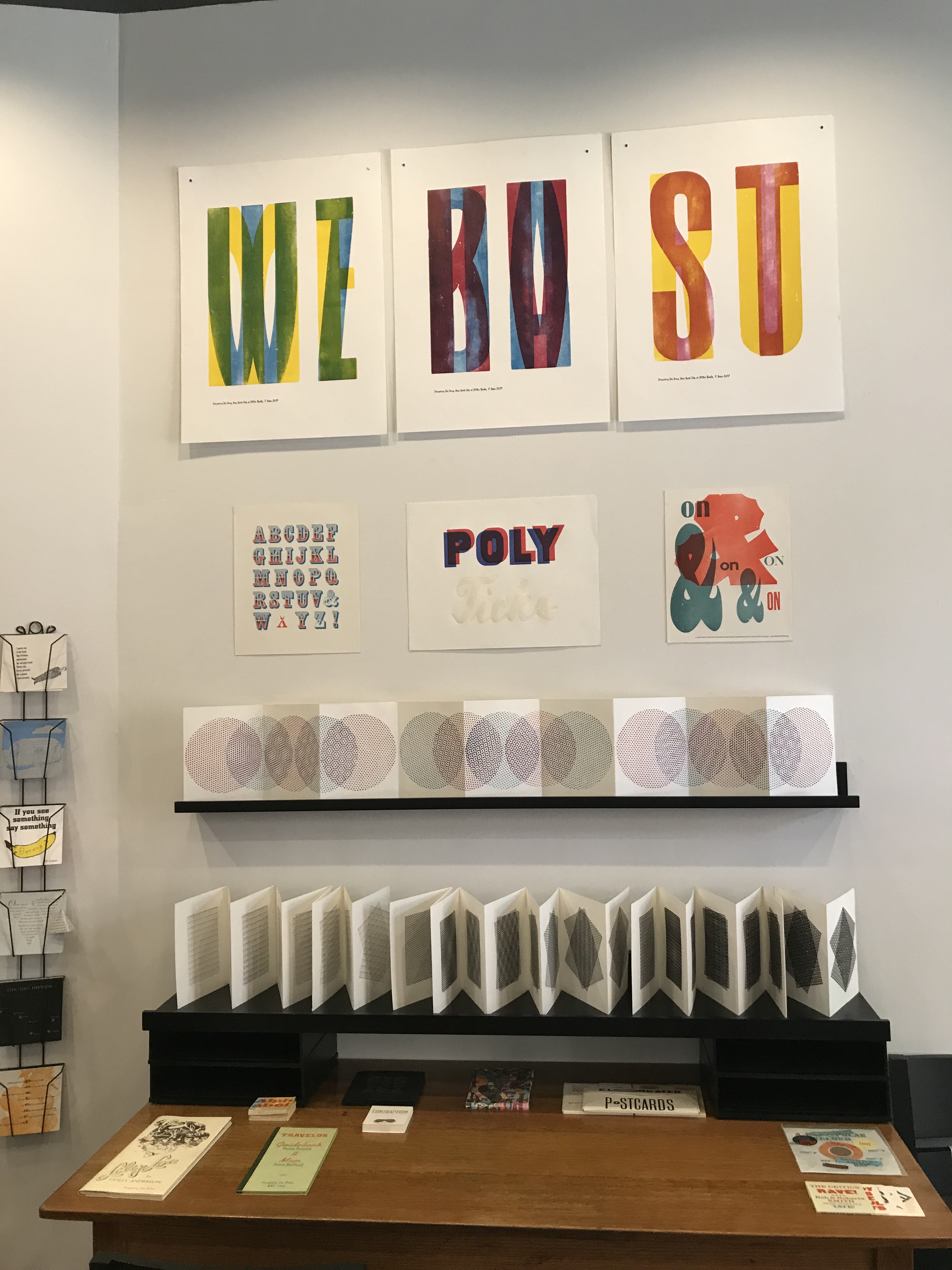
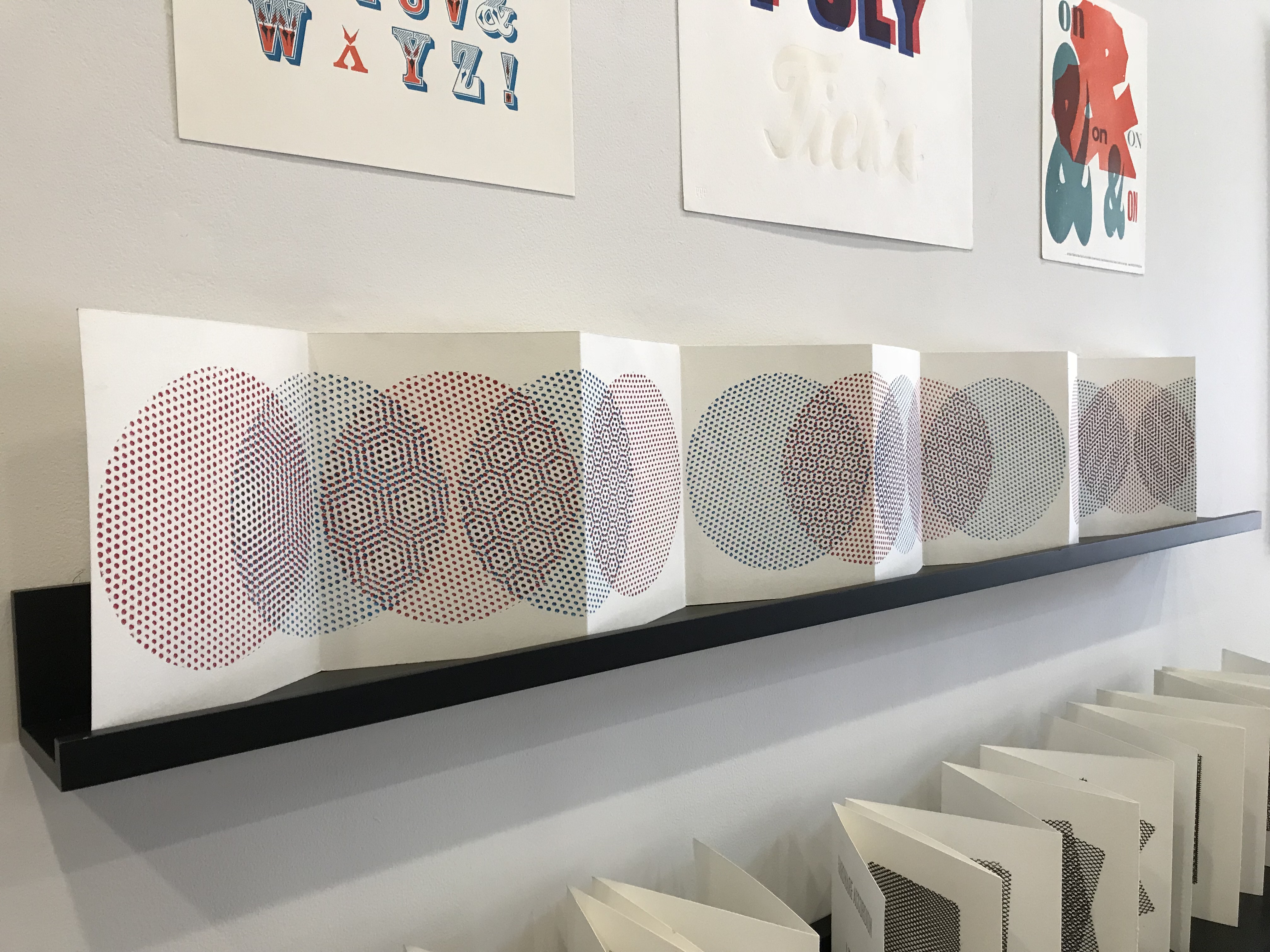
“Purgatory Pie Press: 40 Years & Counting” at Photo Book Works, Beacon, NY
Group Shows in Chelsea – Part 1: Jankossen Contemporary Gallery
One of the fun things about NYC in the late Spring and Summer is the thematic group shows at many of the galleries. If the unifying theme is of the more conceptual variety, it is often an opportunity to find Mathematical art.
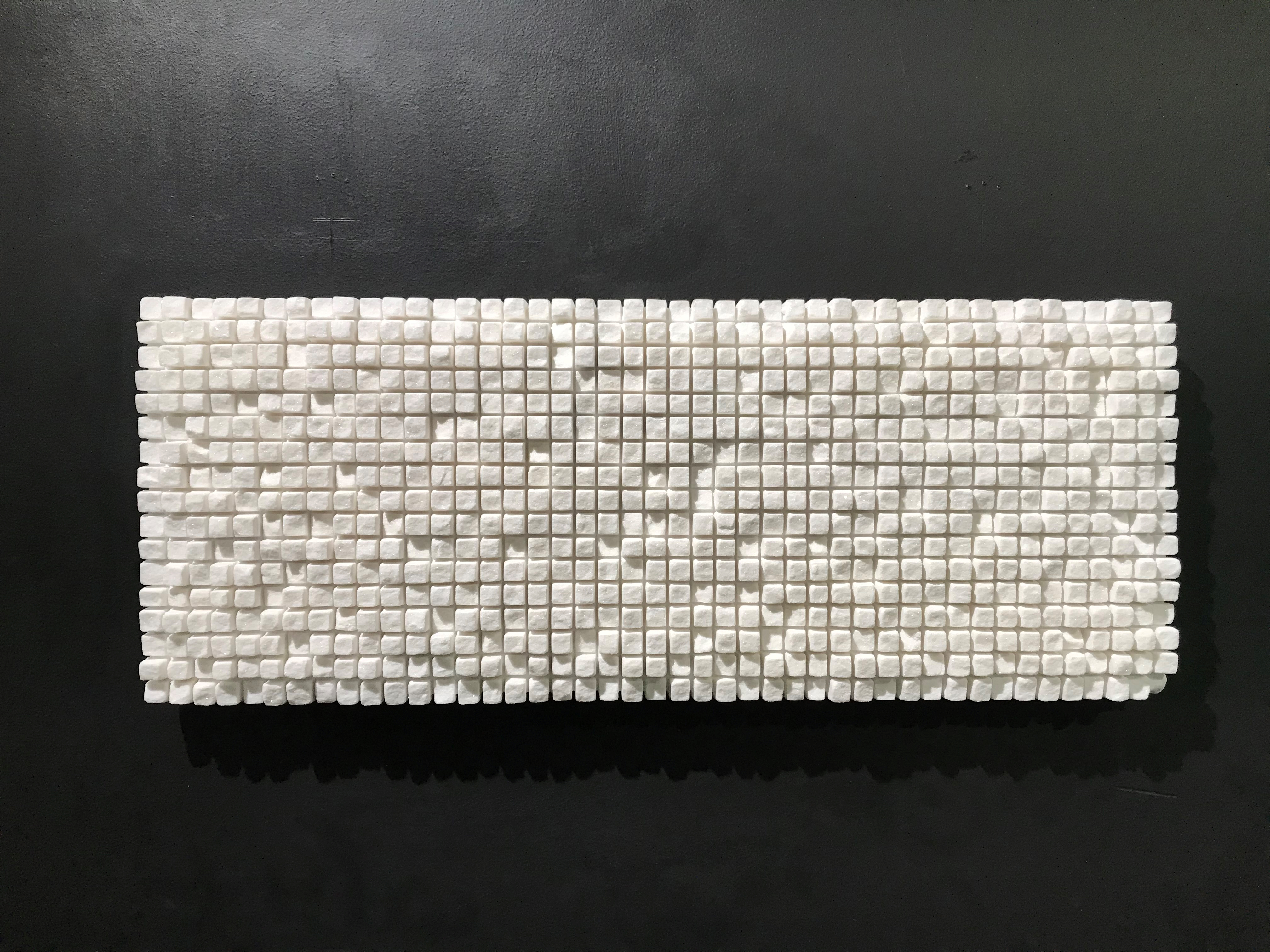
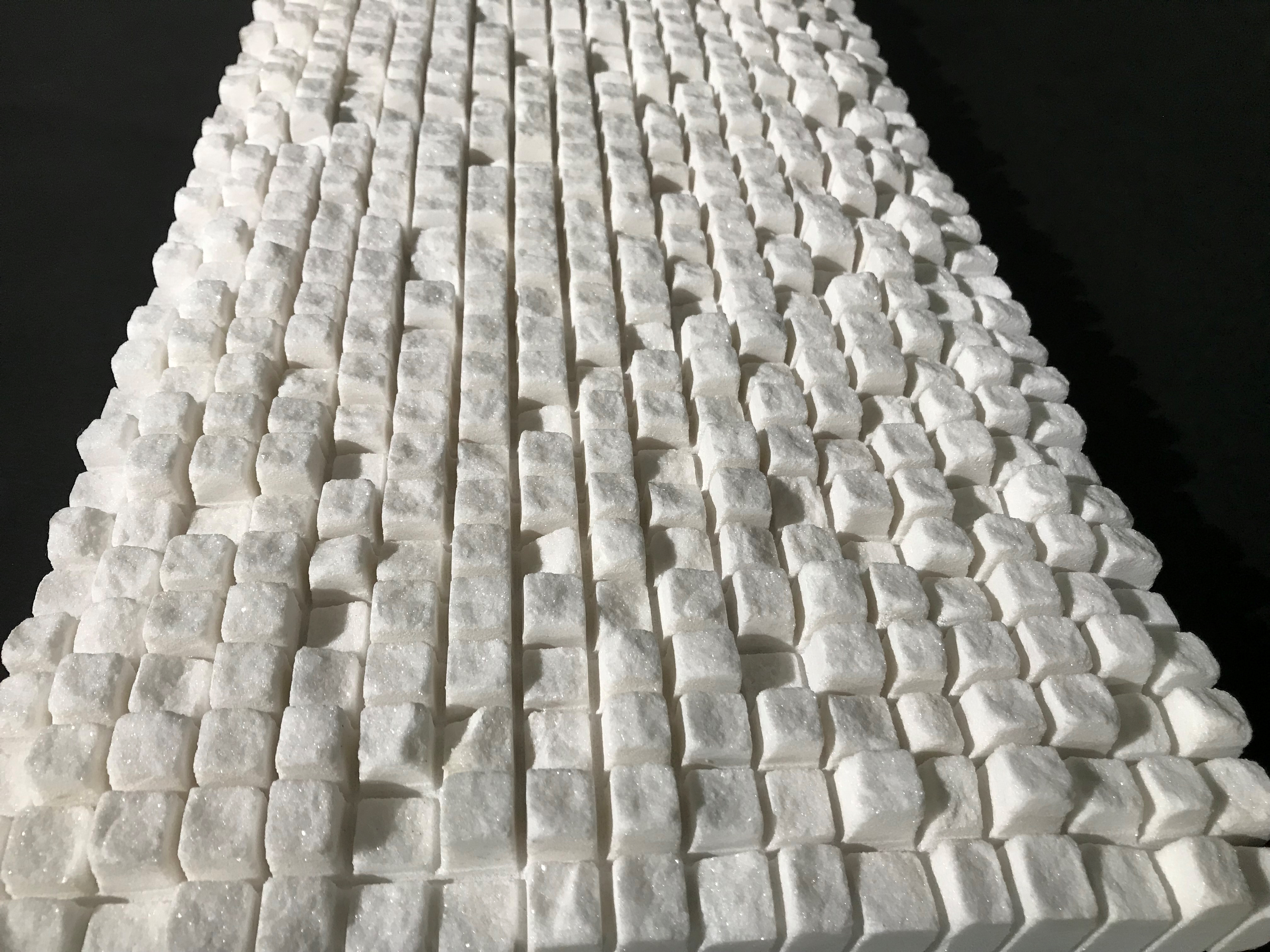
At the Jankossen Contemporary Gallery the exhibition, titled “Monochrome” has Dieter Kränzlein’s white marble wall relief on display. Viewed from the front it is all about the precision of the square grid. But from the side you can see the rough surface of one face of each of the marble cubes.
More groups shows in a few days.
Susan Happersett
More Art from JMM – San Diego
“The Ritual of Construction” at the Byrdcliffe Guild, Woodstock, New York
Lygia Pape at The MET Breuer
Picturing Math at the MET
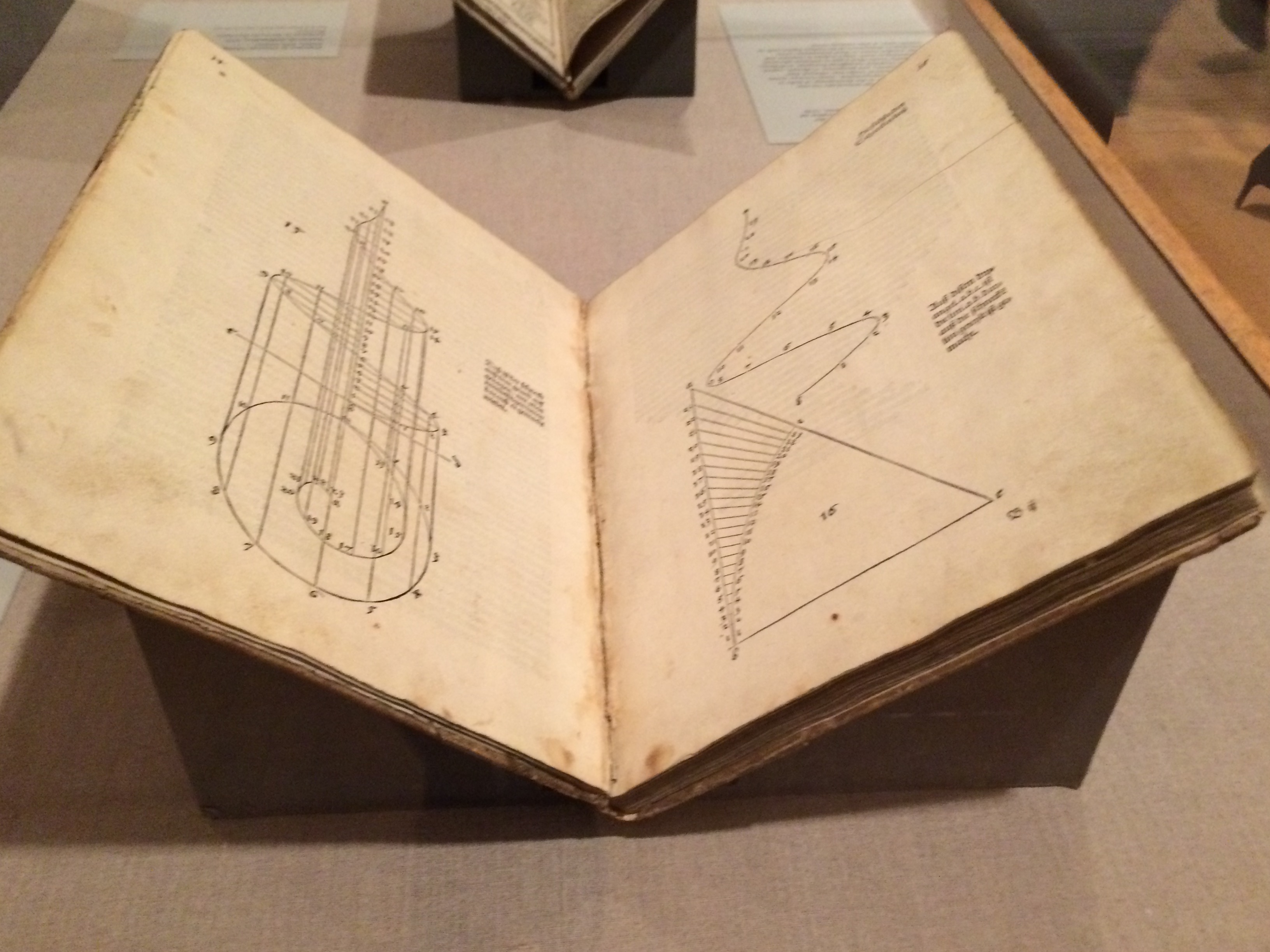
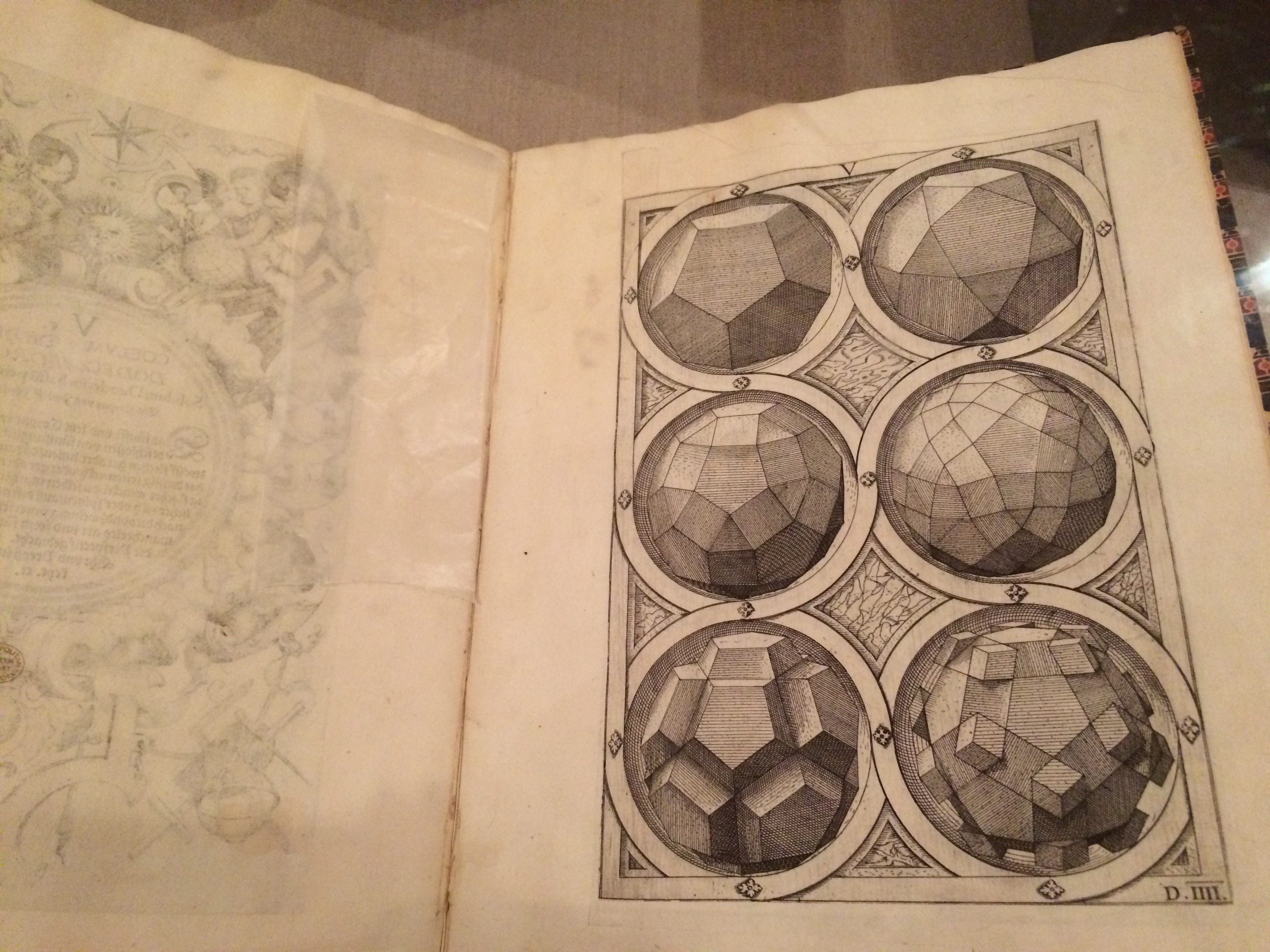
The Metropolitan Museum of Art is current exhibiting a show titled “Picturing Math: Selections from the Department of Drawings and Prints”. The exhibit features work from the 15th to the 21st Century. It presents a cornucopia of beautiful work, and it was very difficult for me to choose just a few to discuss in this blog. Some of the most historically significant work was in the form of books that were opened to show prints.
This first image is a page from Durer’s “Treatise on Measurement” from 1525. This particular print Is “Construction of a Spiral Line”. Although the aesthetic significance of this work is undeniable, it is a technical diagram complete with measurements.

This next page is “Dodecahedron and Variants”, from “Perspectiva corporum regularium” (Perspective of Regular Bodies). This is a 1568 treatise by Jost Amman based on the work of Wenzel Jamnitzer. This work offers a progression of depictions of increasingly complex 3-D solids. Both of these books were created for the purpose of visualizing Mathematics as an expository tool, but because they are such gorgeous images they also highlight the beauty of the Mathematics.
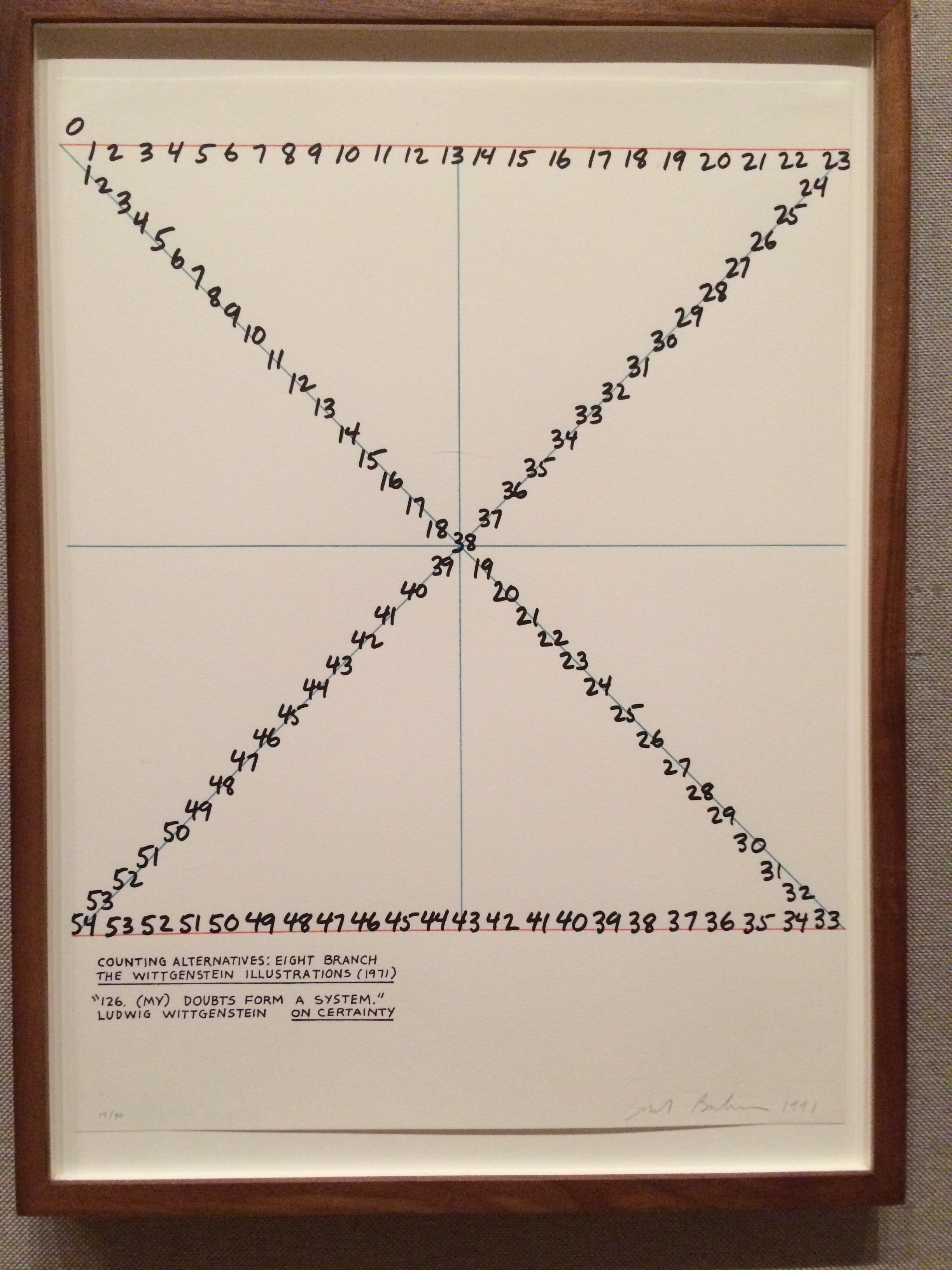
This exhibition also include contemporary art. A great example is Mel Bochner’s 1991 lithographs in the series “Counting Alternatives: The Wittgenstein Illustrations”. This particular print is titled “Eight Branch”. Referencing Bochner’s drawings from the 1970’s, this 1991 portfolio relates to the philosopher Ludwig Wittgenstein and his ideas about certainty. The print features two different lines of counting series, both starting with 0 in the top left corner. One line of digits goes horizontally across to the top right corner with 23 and the other goes diagonally across the page to the lower right corner with 33. Both routes end in the bottom left corner with 54.
Unlike the historical texts Bochner’s work is not about presenting mathematical principles to educate. Instead, he is using mathematics to express ideas. This is truly an excellent exhibit it will be up through April and I suggest that if you are in NYC, go see for yourself.
Susan Happersett
James Siena at Pace
James Siena artistic practice incorporates the use of rules to create art. I have written about his type writer work, as well as his sculptures, in earlier posts. Obviously I am a fan, and I was very excited to be able to see some of his recent drawings at the Pace Gallery on 24th st. This exhibition features work from three different series; “Manifolds,”, “Wanderers” , and “Nihilism”. All of the drawings are hand-drawn, geometric studies but the the series I feel that has the most Mathematical implications is “Manifolds”.“Manifold X” from 2015 addresses the artist’s interest in the field of Topology. Topology studies the properties of surfaces allowing them to change through the manipulations of bending growing and shrinking without being cut or broken or having attachments added. In “Manifold X” the orange, yellow and blue surfaces are homeomorphic, they each have nine holes within their shapes . The green surface is different because it ha sixteen holes. The four surface are woven together but each individual shape does not intersect itself. Siena has managed to take a fairly complex field in mathematics and develop a system of rules to create work that aesthetically beautiful and also expresses his affinity for the subject matter from which it is derived.Susan Happersett
Dan Walsh at Paula Cooper Gallery
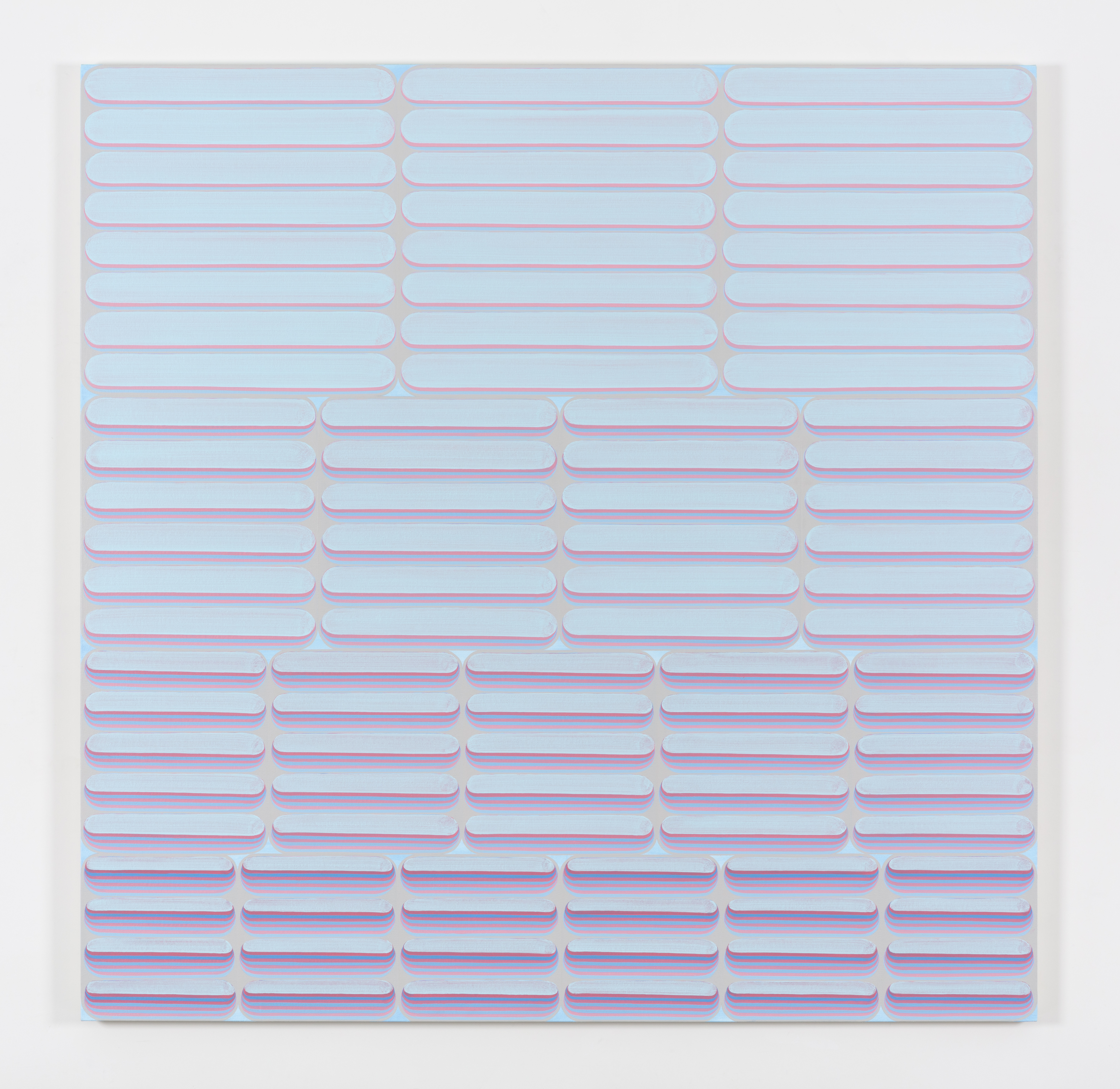
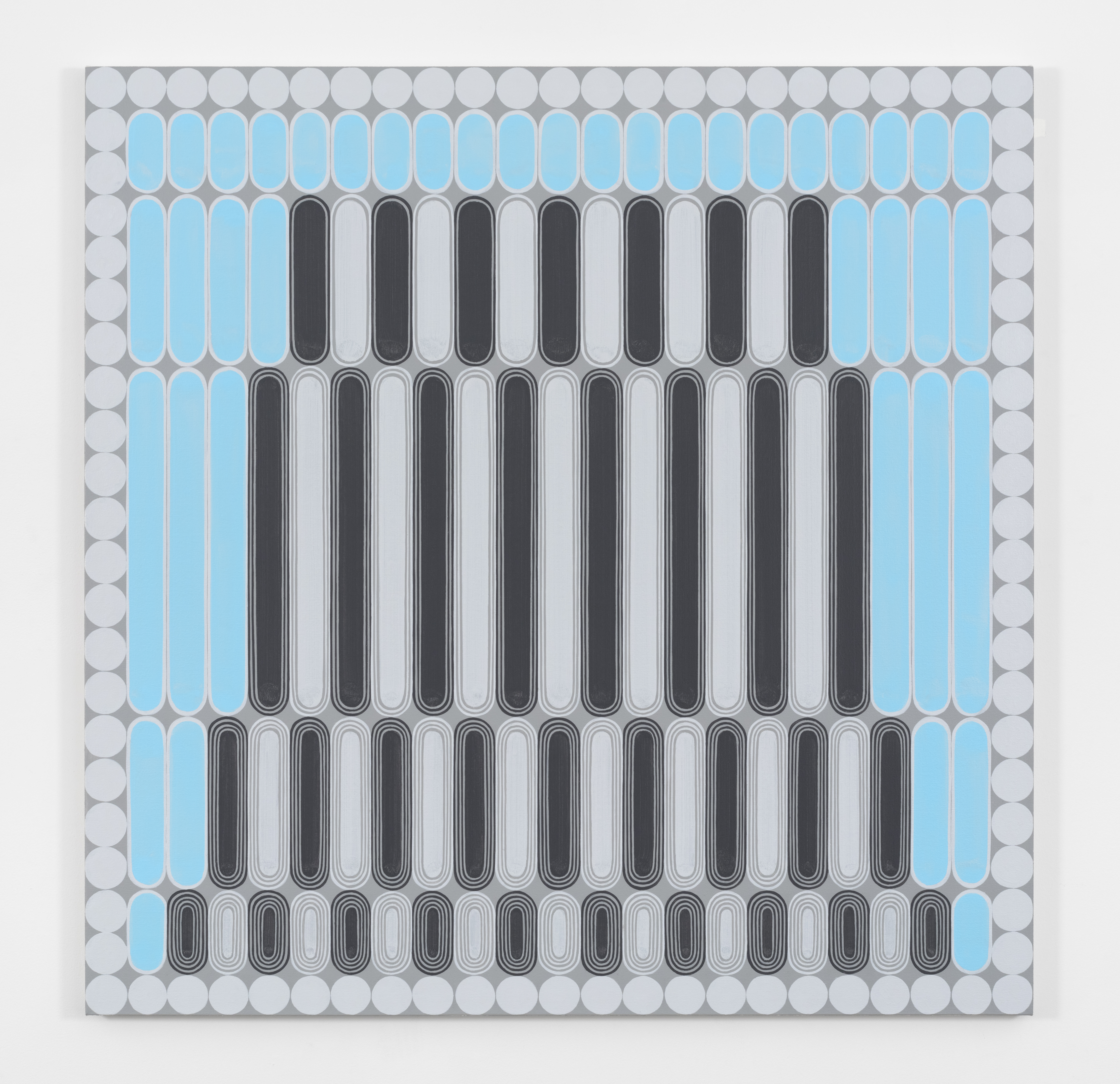
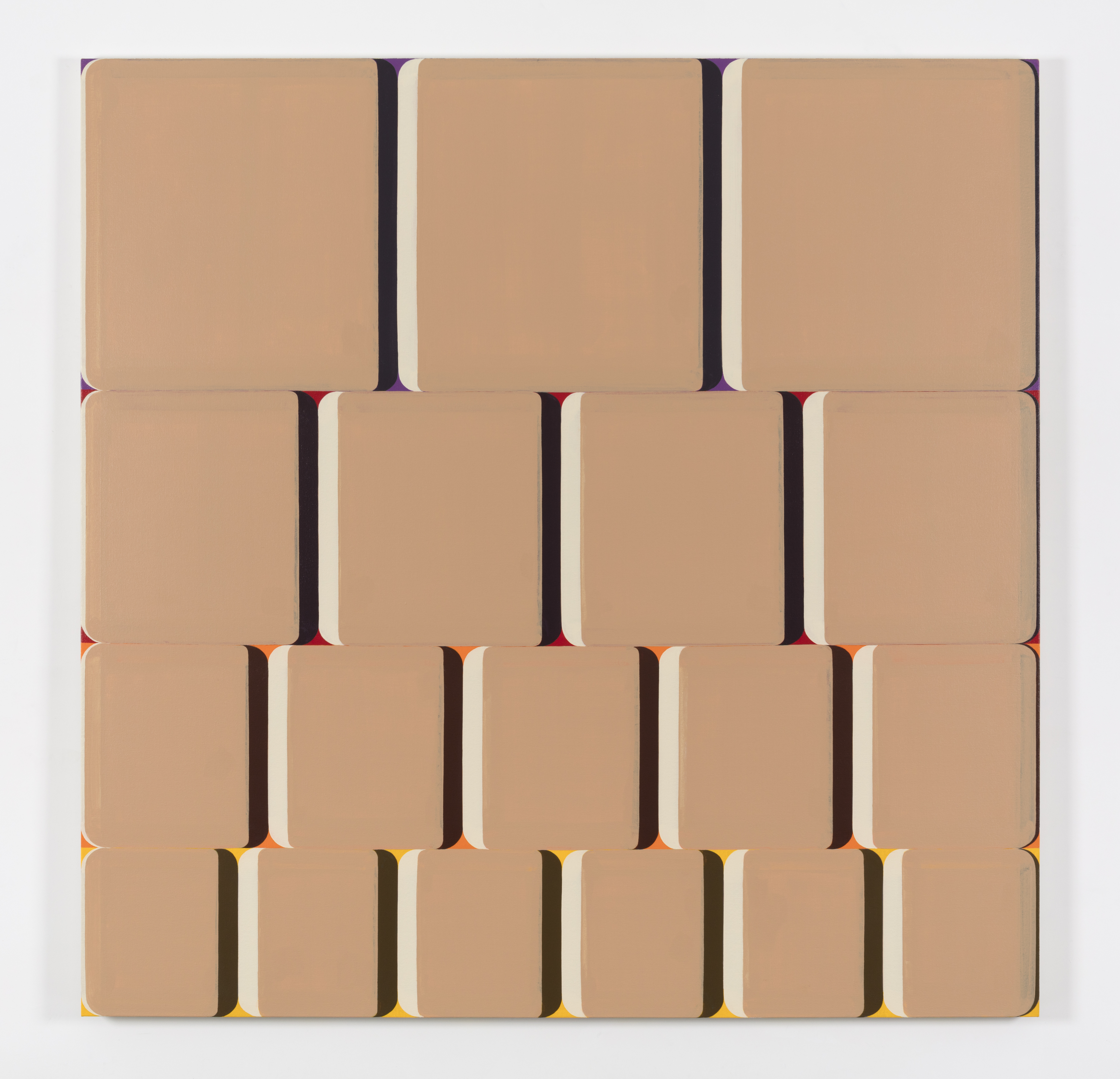
Dan Walsh is known for his large-scale geometric work. I was introduced to his paintings at the 2014 Whitney Biennial. At his solo exhibition at the Paula Cooper gallery I was immediately drawn to his large scale square paintings. Not only do they feature geometry, they also present the theme of counting. In the painting “Fin” from 2016 the canvas is divided in to four horizontal rows of varying widths. Thickest on the top with 3 sections divided by black and white parenthesis and narrowest on the bottom divided into six segments.
Since the width of each row is the same the progression 3, 4, 5, 6 segments presents a visual comparison of the fractions 1/3, 1/4, 1/5, 1/6.“Debut” from 2016 the artist uses the same 3, 4, 5, 6 divisions in horizontal rows but this time groupings of thin lozenge shapes make up the pattern.
There is a stack of 8 lozenges in the rows of three, 6 lozenges in the rows of four, 5 in the rows of five across, and 4 in the rows of six. Instead of having all of the shapes the same base color like in “Fin”, Walsh has created a scale with the more intense blues in the bottom row, grounding the picture space, almost like a landscape.The painting “Circus”, also from 2106, presents a more architectural form. Working once again with rows of varying width this has seems to have more of a subject and background.
The alternating black and white coloring of the vertical thin lozenge-like strips create a tower. The rows grow from 13 to 15 to 17 to 19. Each row gaining one strip on both the left and the right sides.Dan Walsh’s painting style is both precise and systematic, but his choice of numerical subject matter that everyone can relate to creates a joyful imagery.
Susan Happersett